
The fashion industry has long been associated with creativity, beauty, and innovation, but behind the glamorous runways lies one of the world’s most resource-intensive and polluting industries. From excessive water use in cotton production to chemical-heavy dyeing processes and mountains of textile waste, fashion has traditionally placed enormous strain on the planet. However, over the last decade, a remarkable shift has been underway—one where sustainability and style are no longer at odds. Sustainable fashion is no longer a niche movement but a driving force that is reshaping how brands design, produce, and distribute clothing worldwide.
The Rise of Conscious Consumers
A key driver of sustainable fashion’s rise is the changing mindset of consumers. Shoppers today are far more informed and aware of the environmental and social impact of their choices. They demand more transparency from brands, asking not just what a product looks like but also where it comes from, how it was made, and who made it. This has pushed many fashion companies to rethink their supply chains and commit to more ethical practices. The rise of social media has also amplified this demand, with younger generations using their voices to hold brands accountable.
Sustainable Materials at the Forefront
One of the most visible changes in the industry is the adoption of eco-friendly fabrics. Traditional textiles such as conventional cotton and polyester consume vast amounts of water and energy, while also contributing to microplastic pollution. In response, sustainable alternatives are being embraced, including organic cotton, hemp, bamboo, Tencel, and recycled polyester. These materials not only reduce the industry’s environmental footprint but also give designers new ways to innovate while meeting eco-conscious demand.
Shifting to Circular Fashion
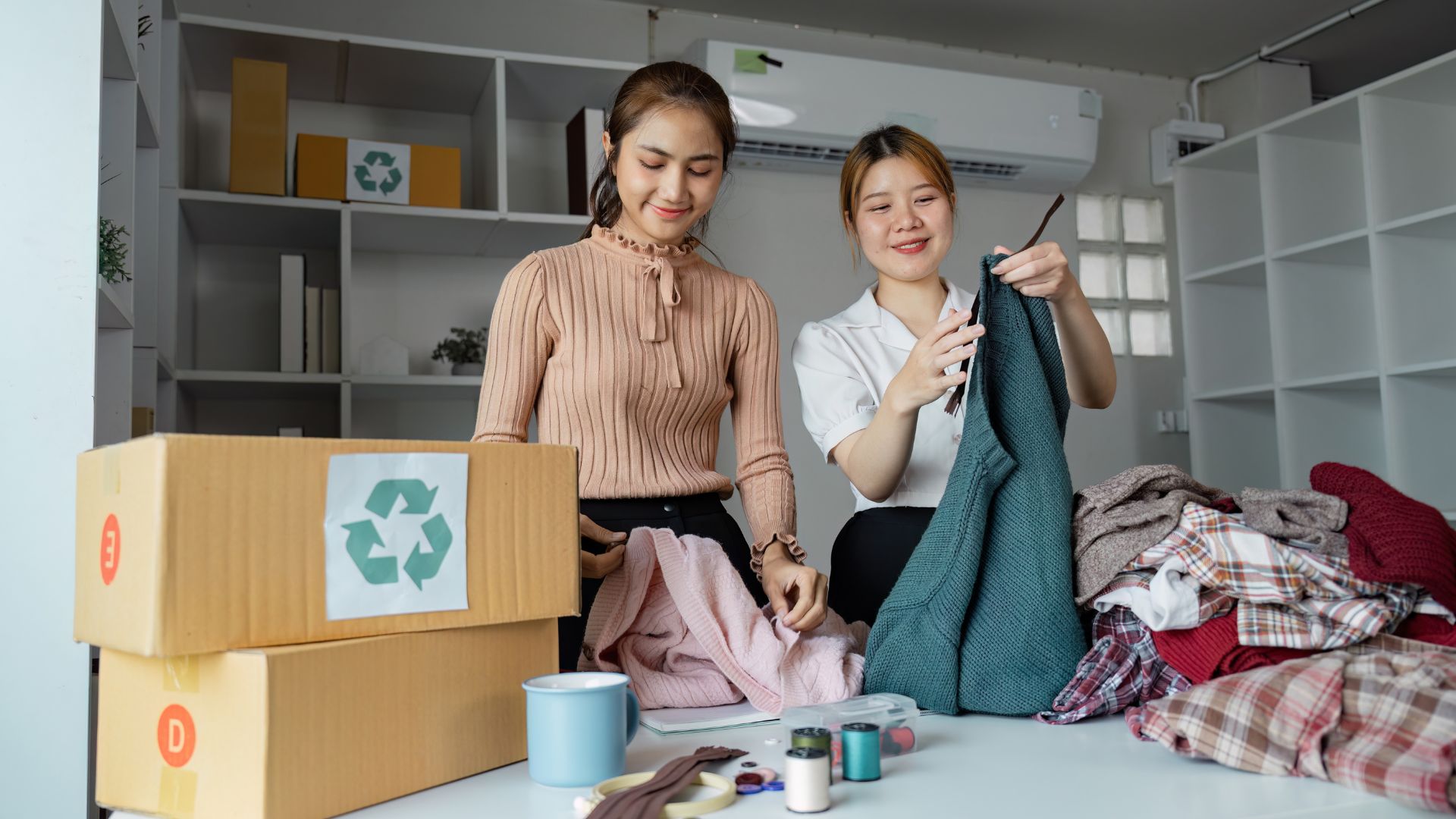
Perhaps the most transformative concept driving sustainable fashion is the circular economy. Instead of the old “take, make, dispose” model, circular fashion focuses on extending the lifecycle of clothing. Practices like recycling, upcycling, resale platforms, and clothing rental services are becoming mainstream. Leading fashion houses and startups alike are experimenting with take-back programs and closed-loop systems that ensure garments never truly become waste. This approach reduces landfill waste and encourages consumers to see clothing as a long-term investment rather than disposable items.
Ethical Manufacturing and Fair Labor
Sustainability in fashion is not just about the environment—it’s also about people. Fast fashion has been heavily criticized for unfair labor practices, unsafe working conditions, and low wages in developing countries. Ethical manufacturing is becoming a cornerstone of sustainable fashion, with brands prioritizing fair pay, safe workplaces, and transparency in their supply chains. Certifications such as Fair Trade, GOTS (Global Organic Textile Standard), and B Corp are helping consumers identify brands that genuinely support both people and the planet.
Technology and Innovation Leading the Way
Technology is playing a pivotal role in making fashion more sustainable. From digital design software that reduces fabric waste to 3D printing of garments and AI-driven demand forecasting, innovation is allowing the industry to minimize overproduction. New dyeing methods that use less water, blockchain tracking for supply chain transparency, and bio-fabricated materials like lab-grown leather are revolutionizing how clothing is made. These advancements prove that sustainability can go hand-in-hand with cutting-edge creativity.
The Influence on Global Fashion Culture
Sustainable fashion is also reshaping cultural attitudes toward clothing. The idea of owning fewer, higher-quality items is gaining popularity, with movements like “capsule wardrobes” and “slow fashion” encouraging mindful consumption. Social media influencers, celebrities, and fashion activists are amplifying this movement, making sustainability not only a responsibility but also a trend that defines modern style. In turn, traditional fast fashion giants are feeling the pressure to adapt or risk losing relevance in a changing marketplace.
Conclusion: The Future of Fashion is Green
The transformation of fashion into a more sustainable industry is not happening overnight, but the progress is undeniable. What was once considered an alternative lifestyle choice has become a mainstream expectation, influencing everything from luxury brands to high-street retailers. As technology advances, consumer awareness grows, and more brands commit to ethical practices, sustainable fashion will continue to reshape the industry’s future.
Fashion has always been about reflecting culture and innovation—and today, sustainability is the new style statement. It’s not just a passing trend but the foundation of a future where clothing enhances lives without costing the Earth.
Unleash Your Apparel Dreams Let’s Collaborate
Share your apparel ideas, no matter how big or small, and let’s collaborate to craft something truly exceptional. Contact us today and watch your vision take shape!
Manufacturing partner for fashion business, offering comprehensive solutions to streamline your path to success.
Our Services
Quick Link
Contact Info
Brand Partner
© Bali Garment Manufacture all rights reserved.