

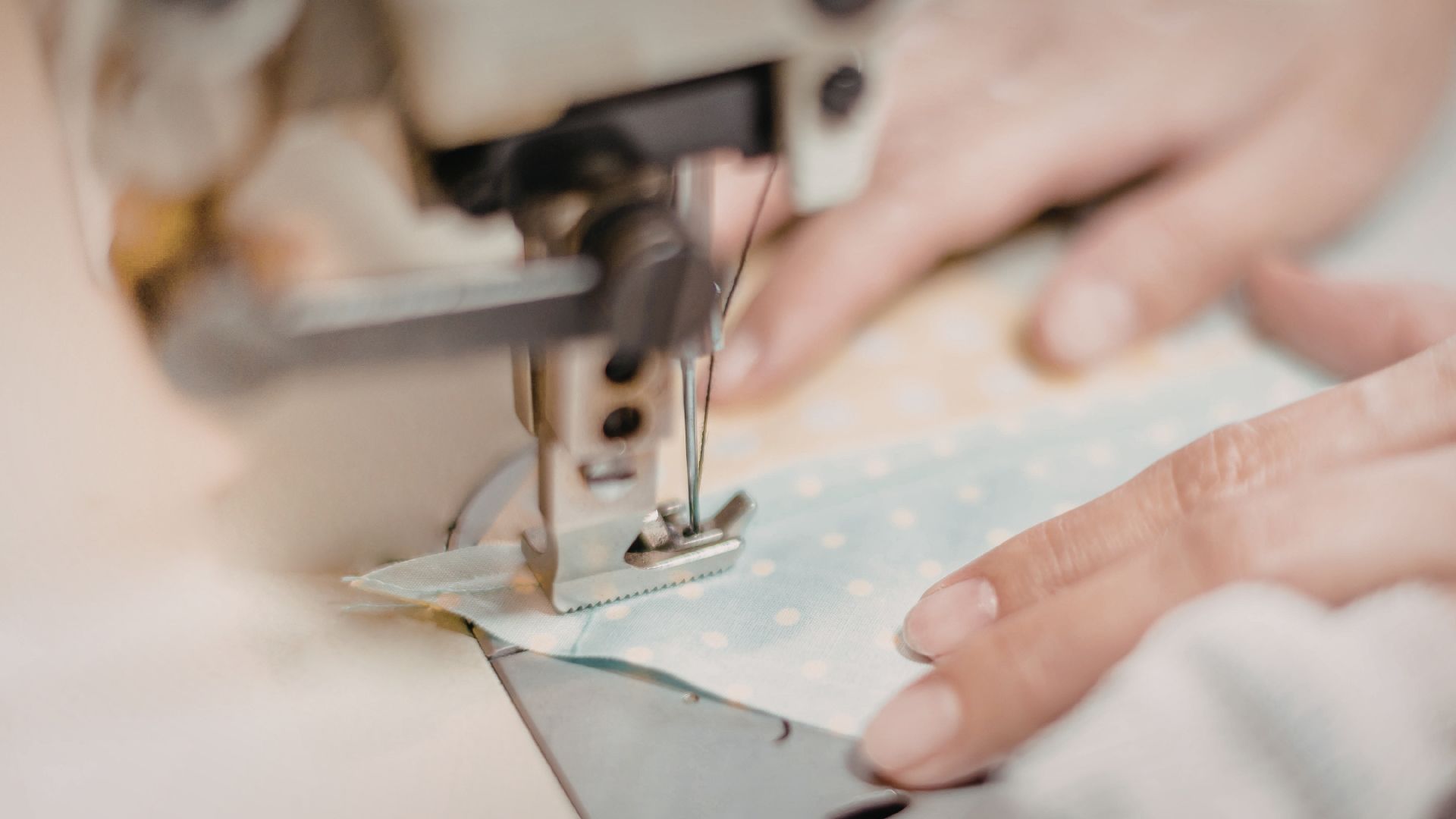
Supporting local tailors and artisans in Bali means supporting knowledge that has been passed down through generations. Sewing, pattern-making, weaving, and hand-finishing are not just technical skills on the island; they are cultural practices shaped by patience, precision, and respect for materials. Each garment reflects hours of careful work and an understanding of fabric that comes from lived experience rather than mass production systems. In Bali, craftsmanship is deeply connected to daily life, making local fashion production a continuation of tradition rather than a purely commercial activity.
The Human Touch Behind Every Garment
Local tailors bring a level of attention that machines and large-scale factories cannot replicate. Small adjustments, hand-stitched details, and thoughtful finishing give garments character and individuality. This human touch creates clothing that feels personal and intentional, not standardized. When fashion values this level of care, garments become more than products. They become expressions of skill, time, and pride in workmanship.
Strengthening the Local Creative Economy
Choosing to work with local artisans directly supports Bali’s creative economy. It provides stable income, encourages skill development, and helps sustain traditional crafts in a modern context. This support allows artisans to continue their work without being pushed aside by fast fashion or outsourced production. A strong local industry also creates opportunities for collaboration between designers, tailors, and fabric specialists, fostering innovation while respecting heritage.
Sustainability Through Local Production
Local production naturally supports sustainability. Shorter supply chains reduce transportation impact, while smaller production runs encourage mindful consumption. Artisans tend to work with natural fabrics and time-tested techniques that prioritize durability over speed. This approach aligns with the growing demand for responsible fashion that values longevity and environmental awareness.
Cultural Integrity in Modern Design
Supporting Balinese artisans helps preserve cultural identity within contemporary fashion. Traditional techniques and sensibilities are subtly woven into modern silhouettes, creating garments that feel authentic rather than appropriated. This balance allows fashion to evolve without losing its roots, ensuring that local culture remains visible and respected in global markets.
Collaboration with Responsible Manufacturers
Local artisans often work alongside experienced manufacturers who understand how to scale production without losing craftsmanship. Partners such as Bali Garment Manufacture play an important role in bridging traditional skills with modern standards, ensuring quality, consistency, and ethical working conditions. These collaborations allow local talent to thrive while meeting the expectations of international brands and hospitality clients.
Building Meaningful Connections Through Fashion
When consumers and brands choose to support local tailors, they build a deeper connection to what they wear. Knowing who made a garment and how it was created adds emotional value and encourages more thoughtful use and care. Fashion becomes a story of people and place, not just a finished product.
Supporting Bali’s local tailors and artisans is an investment in culture, sustainability, and human skill. It preserves traditional craftsmanship while allowing it to grow within modern fashion and production systems. In a world increasingly dominated by mass production, choosing locally made garments honors the people behind the work and ensures that Bali’s rich creative heritage continues to thrive for generations to come.