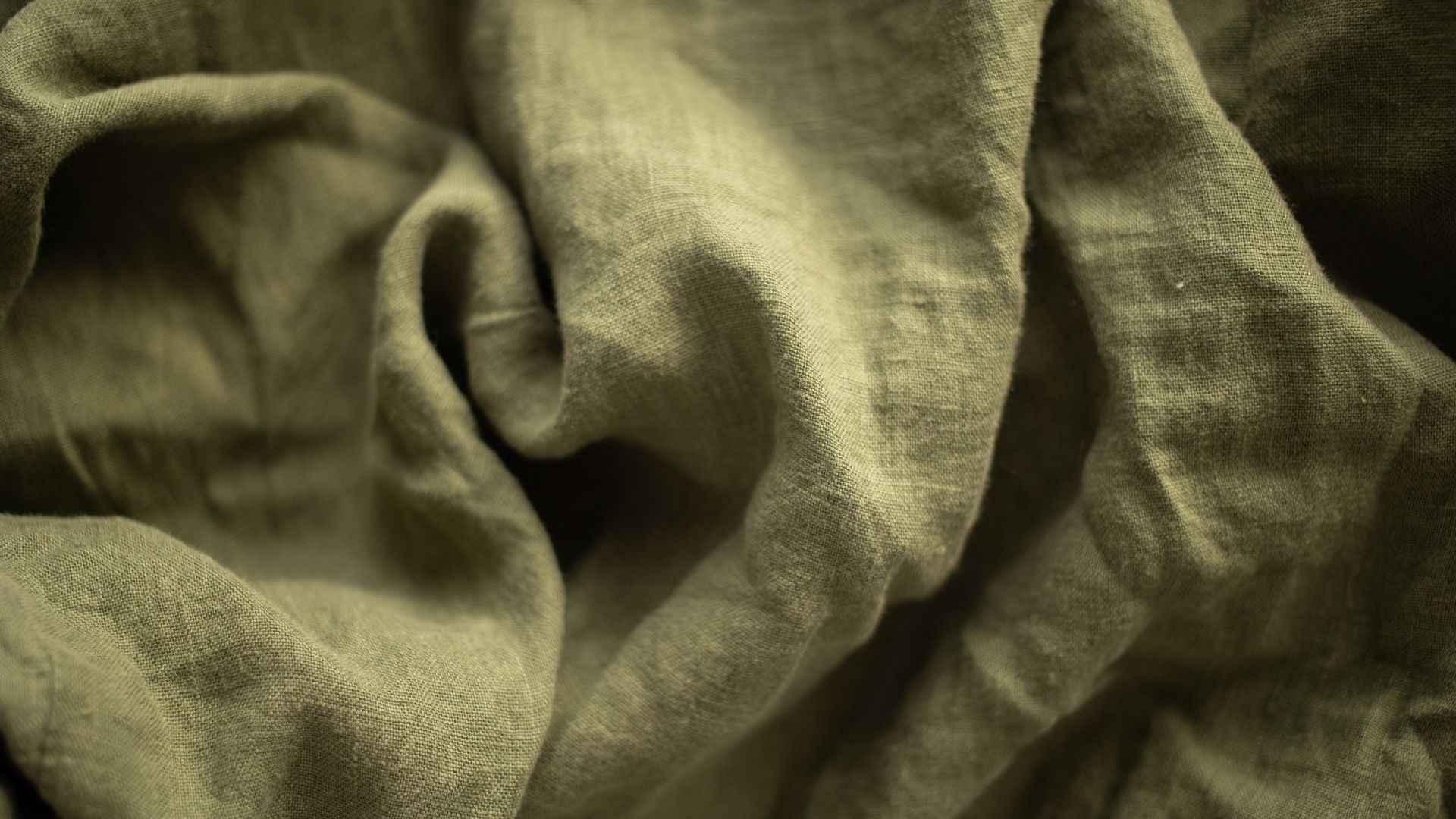
Linen has long been celebrated for its natural breathability, durability, and timeless aesthetic, making it a cornerstone of Bali’s sustainable fashion industry. Derived from the flax plant, linen is fully biodegradable and requires minimal chemical processing, which reduces its environmental footprint compared to synthetic fabrics. In Bali’s tropical climate, linen garments offer the perfect balance of comfort and style; they remain cool in heat, absorb moisture naturally, and develop a soft, lived-in texture over time. For local designers and manufacturers like Bali Garment Manufacture, linen serves as a versatile canvas. Its structure holds tailored silhouettes for resort uniforms or contemporary fashion lines while supporting traditional hand-finishing techniques. Each stitch, fold, and pleat is accentuated by linen’s natural texture, allowing artisans to blend sustainable practice with refined craftsmanship seamlessly. Linen garments, therefore, carry both environmental responsibility and cultural expression, reflecting Bali’s unique aesthetic of relaxed sophistication.
Rayon – Combining Fluidity with Sustainability
Rayon, often derived from sustainably managed wood pulp, offers a complementary quality to linen by providing fluid drape and softness. Its lightweight feel and elegant movement make it ideal for flowing resort wear, casual fashion, and garments that require comfort alongside visual appeal. While synthetic fabrics often dominate in fast fashion, Bali’s designers have embraced rayon as a sustainable alternative that balances performance, aesthetic flexibility, and environmental mindfulness. Rayon also supports artisanal techniques such as natural dyeing and hand embroidery, allowing local artisans to imbue each garment with distinct character. By integrating rayon into contemporary designs, Bali’s fashion industry demonstrates that sustainability does not mean sacrificing style, it enhances it.
The Aesthetic Impact of Linen and Rayon
Together, linen and rayon define the signature look of Balinese clothing: soft neutrals, breathable layers, and relaxed elegance. Linen adds texture and structure, while rayon introduces fluidity and movement, resulting in garments that are versatile, stylish, and timeless. These fabrics also harmonize with Bali’s resort and island-inspired color palettes, including sandy beiges, muted whites, soft greys, and natural earth tones. This combination allows designers to create capsule collections that feel both modern and culturally rooted, ensuring that clothing resonates with local heritage while appealing to international markets.
Sustainability Beyond the Fabric
Using linen and rayon goes beyond environmental benefits; it reflects a commitment to ethical production and conscious consumption. Sourcing responsibly, minimizing waste through small-batch production, and employing skilled artisans ensures that each garment is crafted thoughtfully. These practices not only reduce the ecological footprint of fashion but also support local communities, providing fair employment and preserving traditional techniques. In Bali, sustainable fabrics like linen and rayon are therefore a symbol of balance between aesthetics and ethics, between heritage and innovation, and between luxury and responsibility.
Linen and rayon are more than just materials; they are the fabrics that define Bali’s sustainable fashion identity. By combining natural breathability, fluid elegance, and environmental responsibility, these textiles embody the island’s approach to clothing: mindful, stylish, and timeless. Through their use, designers and manufacturers like Bali Garment Manufacture showcase how sustainable fabrics can support craftsmanship, elevate design, and foster a deeper connection between wearer, artisan, and environment.