In recent years, Bali’s creative industry has witnessed a growing movement toward slow fashion, a philosophy that challenges the fast-paced cycle of mass-produced clothing. Slow fashion encourages designers, manufacturers, and consumers to prioritize quality, longevity, and responsible production rather than constant trends and rapid consumption. In Bali, this shift feels natural, as the island’s cultural values already emphasize balance, mindfulness, and respect for resources. Many local brands and independent designers have begun to question the environmental and social impact of fast fashion. Instead of producing large volumes of garments that may quickly become outdated, Bali’s fashion community increasingly focuses on timeless designs, carefully sourced materials, and production methods that respect both people and the planet. This transformation reflects a broader global movement toward more conscious and sustainable fashion practices.
The Influence of Bali’s Creative Culture
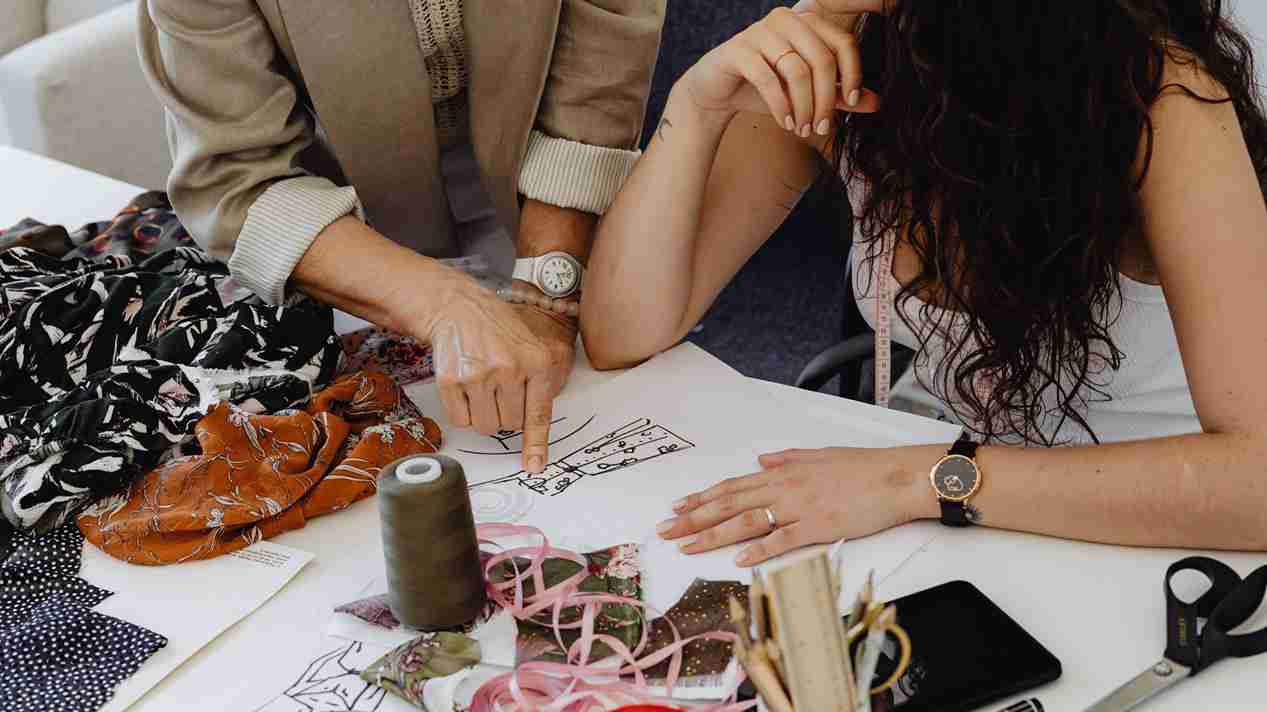
Bali has long been known as a hub for artists, designers, and creative entrepreneurs from around the world. This vibrant creative community plays a significant role in shaping the slow fashion movement on the island. Designers are inspired not only by Bali’s natural landscapes but also by its rich cultural heritage, traditional craftsmanship, and collaborative spirit. Within this environment, fashion becomes more than just clothing it becomes a form of artistic expression. Many designers work closely with local artisans to develop unique garments that highlight craftsmanship, texture, and storytelling. By focusing on creativity rather than mass production, Bali’s fashion industry supports a more sustainable and meaningful approach to design.
Small-Batch Production as a Core Principle
A defining characteristic of slow fashion in Bali is the emphasis on small-batch production. Instead of producing thousands of identical pieces, many brands release limited collections that are carefully crafted and thoughtfully designed. This method allows designers to maintain higher quality standards while reducing the risk of excess inventory and textile waste. Small-scale production also provides flexibility for experimentation and innovation. Designers can refine their collections gradually, making adjustments based on feedback and evolving ideas. This process supports a more mindful production cycle where garments are valued for their craftsmanship and durability rather than their ability to quickly follow short-lived trends.
Sustainable Materials and Natural Fibers
The slow fashion movement in Bali is closely tied to the use of sustainable materials. Natural fibers such as linen, organic cotton, bamboo, and responsibly sourced rayon are commonly used because they are breathable, biodegradable, and suitable for tropical climates. These fabrics support both environmental sustainability and wearer comfort, making them ideal for the relaxed lifestyle often associated with Bali. Designers also experiment with natural dyeing methods and low-impact finishing techniques to reduce chemical usage and water consumption. By choosing materials that are both environmentally responsible and long-lasting, Bali’s slow fashion brands create garments that are designed to remain relevant and wearable for years rather than seasons.
Empowering Local Artisans and Communities
Slow fashion in Bali also emphasizes the importance of ethical collaboration with local artisans and garment workers. Skilled tailors, seamstresses, and textile craftspeople play a central role in transforming designs into finished garments. Their expertise ensures that each piece is carefully constructed and finished with attention to detail. By supporting local artisans, fashion brands contribute to community livelihoods while preserving valuable craftsmanship traditions. Fair wages, safe working environments, and respectful partnerships are essential components of this system. These values reinforce the idea that fashion can be both economically sustainable and socially responsible.
Consumer Awareness and Conscious Buying
Another factor driving the rise of slow fashion in Bali is the increasing awareness among consumers. Travelers, expatriates, and global customers are becoming more interested in clothing that reflects ethical values and environmental responsibility. Many shoppers now prefer to invest in fewer, higher-quality garments that are produced transparently and designed to last. Bali’s slow fashion brands often share the stories behind their collections, highlighting the artisans, materials, and processes involved in creating each piece. This transparency helps consumers form deeper connections with the clothing they purchase, encouraging more mindful buying habits and greater appreciation for craftsmanship.
Looking Toward a More Sustainable Future
The rise of slow fashion in Bali’s creative industry represents a meaningful step toward a more sustainable future for the global fashion sector. By combining artistic expression, ethical manufacturing, and environmentally conscious materials, Bali demonstrates how fashion can evolve beyond the limitations of fast production models. As the movement continues to grow, Bali’s designers and manufacturers are likely to play an increasingly influential role in shaping the future of responsible fashion. Their commitment to quality, craftsmanship, and thoughtful design offers an inspiring example of how creativity and sustainability can work together to redefine the way clothing is produced and valued.