

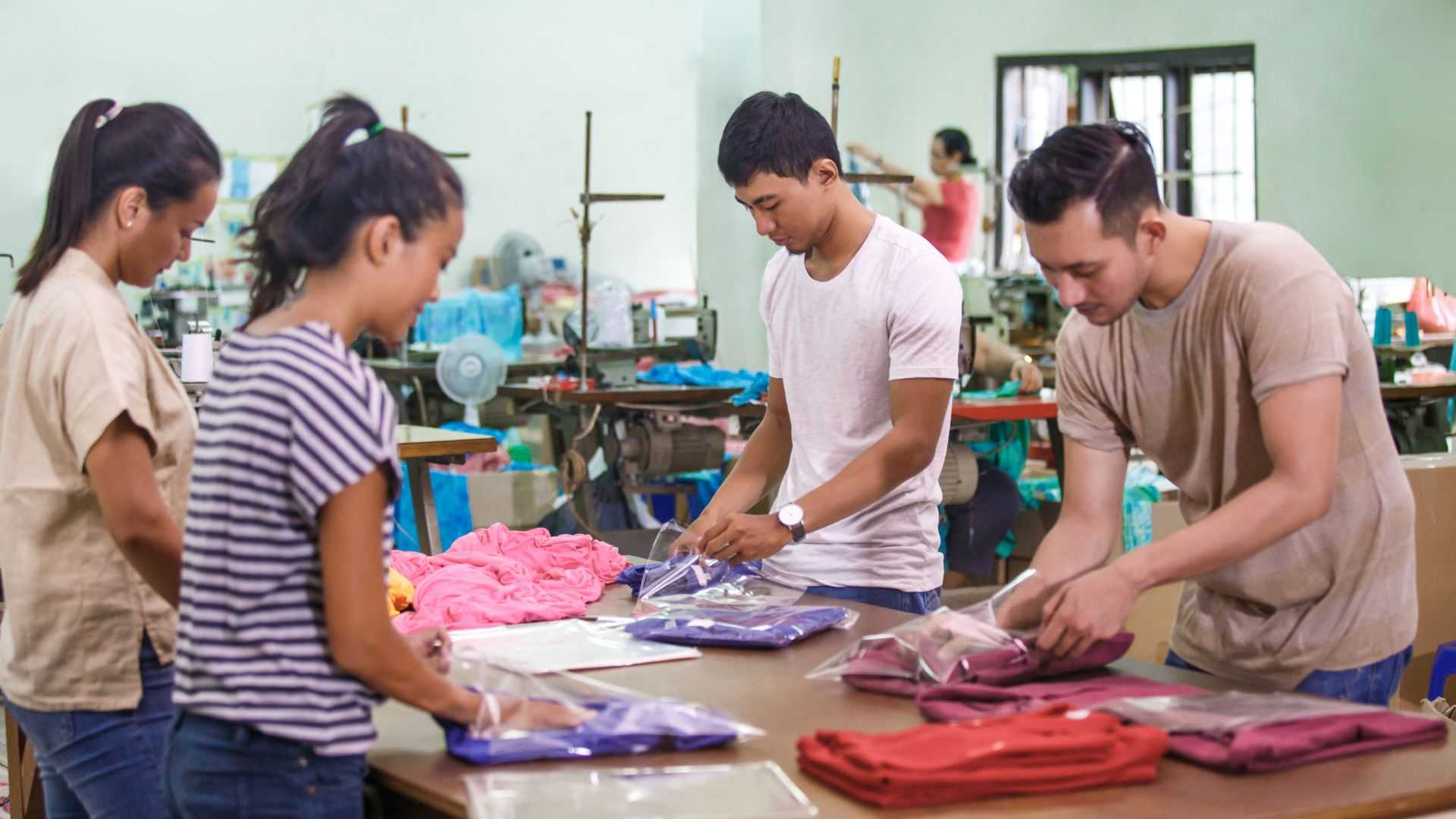
Small-batch production has emerged as a cornerstone of sustainable fashion in Bali, demonstrating that less can truly be more when it comes to environmental responsibility. Unlike mass production, which often leads to overstock, waste, and excessive resource consumption, small-batch manufacturing focuses on producing limited quantities of high-quality garments. This intentional approach reduces material waste, energy usage, and the environmental footprint of each collection. By producing only what is needed, designers and manufacturers can avoid surplus inventory that may otherwise end up in landfills. Every cut of fabric, every seam, and every detail is planned with precision, ensuring that materials are maximized and nothing goes to waste. The result is a system that aligns production with actual demand, conserving resources while maintaining design integrity.
Efficiency Through Mindful Material Use
One of the key environmental benefits of small-batch production is the efficient use of materials. In Bali’s workshops, designers carefully calculate fabric requirements, optimizing patterns to minimize offcuts. Leftover textiles are often repurposed into accessories, sample garments, or patchwork designs, further reducing waste and extending the lifecycle of raw materials. This meticulous planning contrasts sharply with mass-production practices, where large-scale orders often result in excess fabric and discarded products. By limiting the number of garments made at a time, small-batch production ensures that every resource is valued, supporting a more sustainable and circular approach to fashion.
Reducing Energy and Water Consumption
Limited production runs also reduce the energy and water needed for manufacturing. Smaller batches require less electricity for machinery, less water for washing and dyeing, and less fuel for transport between production stages. These reductions may seem incremental, but when multiplied across multiple collections and brands, they create a meaningful decrease in the overall environmental impact of garment production. Additionally, smaller batches allow for more careful monitoring of processes, enabling workshops to adopt eco-friendly technologies such as low-water dyeing, energy-efficient sewing machines, and biodegradable finishing treatments without the pressure of high-volume deadlines.
Supporting Artisan Communities
Small-batch production in Bali benefits both the environment and local communities. By working with limited quantities, workshops can focus on handcraftsmanship and artisanal techniques, preserving traditional skills while ensuring fair labor practices. Artisans are given the time and resources to produce garments thoughtfully, rather than rushing through repetitive tasks under mass-production pressures. This slower pace fosters a sustainable economic model, where quality, skill, and ethical labor coexist with environmental responsibility. Consumers receive garments that are carefully made, unique, and meaningful, reflecting the combined effort of skilled artisans and sustainable production philosophy.
Encouraging Conscious Consumerism
Beyond its production advantages, small-batch manufacturing promotes mindful consumption among buyers. Limited collections create a sense of exclusivity, encouraging consumers to value each piece and consider longevity over trend-driven purchasing. When shoppers understand that a garment has been produced with care, skill, and environmental mindfulness, they are more likely to cherish it, repair it when necessary, and reduce unnecessary disposal. This cultural shift is essential for advancing sustainability in fashion. By linking the production method with conscious buying habits, small-batch practices create a feedback loop where environmentally responsible design meets intentional consumption.
A Scalable Approach to Sustainable Fashion
While small-batch production may seem modest compared to global mass-production models, its environmental impact is significant. In Bali, this approach sets a standard for responsible manufacturing that can be replicated elsewhere, showing that sustainability is achievable without compromising design quality or aesthetic appeal. The combination of resource efficiency, artisan empowerment, and reduced environmental strain demonstrates that even small-scale operations can make a substantial difference. By prioritizing thoughtful, limited production, Bali’s fashion industry proves that sustainability starts with intention one batch at a time.
Small-batch production exemplifies how mindful design and careful manufacturing can create a disproportionately positive effect on the environment. By reducing waste, conserving water and energy, supporting artisan communities, and fostering conscious consumer behavior, Bali’s fashion brands show that sustainable practices are not only feasible but also desirable. In this way, producing fewer garments at a time can have a big environmental impact, reinforcing the island’s position as a leader in responsible, ethical, and innovative fashion.