

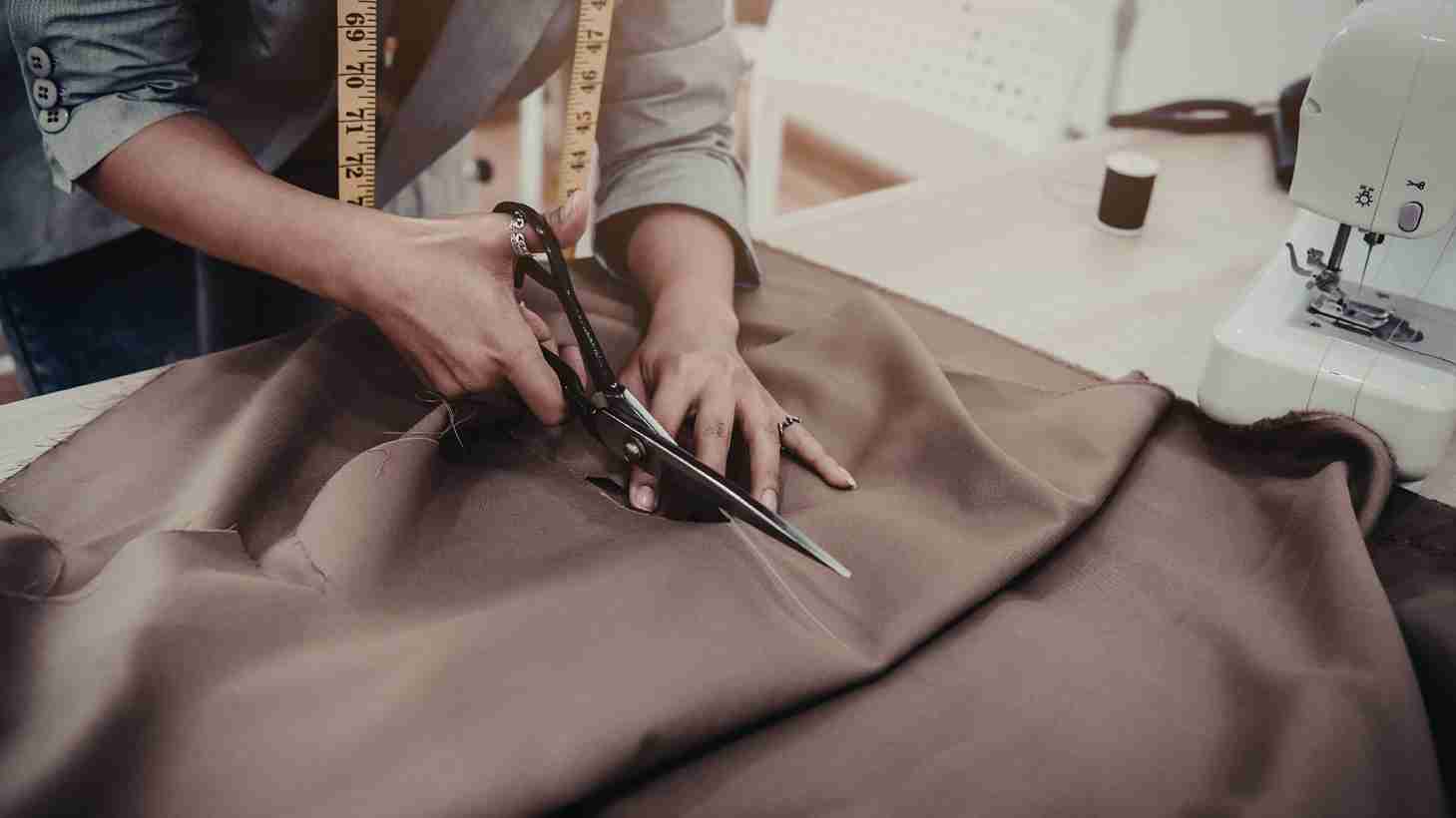
Sustainable collections begin long before garments reach the production floor. In cut and sew manufacturing, designers have full control over fabric choice, silhouette, and construction details. This level of involvement makes it possible to build sustainability directly into the foundation of each piece. By focusing on timeless designs rather than short-lived trends, brands create garments meant to be worn repeatedly across seasons. Clean lines, versatile shapes, and neutral palettes help extend the lifecycle of each collection, reducing the need for constant replacement.
Choosing Responsible Materials
Material selection plays a central role in sustainable cut and sew production. Natural fabrics such as linen, organic cotton, and responsibly sourced rayon are often prioritized for their breathability, durability, and lower environmental impact. These materials not only support eco-conscious goals but also perform exceptionally well in resort and warm-climate wear. Working with experienced manufacturers like Bali Garment Manufacture allows designers to access quality textiles while maintaining transparency about sourcing and production standards. Thoughtful material planning ensures that sustainability aligns with both aesthetic and functional requirements.
Minimizing Waste Through Precision Cutting
Cut and sew production begins with raw fabric, making pattern efficiency especially important. Strategic pattern placement and careful cutting techniques reduce offcuts and maximize fabric utilization. This precision minimizes textile waste without compromising garment structure or design integrity. Smaller production runs further support waste reduction by preventing overproduction. Instead of manufacturing excess inventory that may never sell, brands can produce controlled quantities aligned with actual demand.
Ethical Production and Skilled Craftsmanship
Sustainability extends beyond environmental concerns to include social responsibility. Ethical cut and sew production prioritizes fair wages, safe working conditions, and respect for skilled artisans. When workers operate in stable environments, they can focus on precision, resulting in stronger seam construction and consistent finishing. This attention to craftsmanship enhances durability, allowing garments to maintain quality through repeated wear and washing. Longevity is one of the most impactful aspects of sustainable fashion; well-constructed clothing reduces the need for frequent replacement.
Quality Control as a Sustainability Tool
Rigorous quality control is an often-overlooked component of sustainable production. Ensuring accurate measurements, secure stitching, and consistent finishing reduces returns, defects, and product waste. By integrating inspection at multiple stages of cut and sew manufacturing, producers help safeguard both the designer’s vision and the garment’s lifespan. High-quality construction directly contributes to environmental responsibility by extending usability.
Building Long-Term Brand Value
Sustainable collections created through cut and sew production offer brands more than environmental benefits; they build long-term credibility. Consumers increasingly seek transparency and authenticity in the brands they support. Clear communication about responsible sourcing, small-batch manufacturing, and ethical practices strengthens customer trust. Collaborating with partners such as Bali Garment Manufacture allows designers to integrate sustainability into their production narrative while maintaining high design standards.
Building sustainable collections with cut and sew production means combining intentional design, responsible materials, precise cutting, ethical labor, and rigorous quality control. Each stage of the process contributes to reducing environmental impact while enhancing garment longevity. Through careful planning and collaboration with experienced manufacturers like Bali Garment Manufacture, designers can create collections that balance aesthetic refinement with meaningful responsibility proving that sustainability and craftsmanship naturally belong together.