The future of babywear is increasingly defined by safety, sustainability, and transparency. Modern parents are more conscious than ever about the materials that come into contact with their baby’s skin. As awareness grows around the environmental and health impact of synthetic fabrics, bamboo and organic cotton have emerged as leading choices for next-generation baby clothing. These natural fibers offer a balance of softness, breathability, and reduced chemical exposure making them ideal for newborns and infants. By prioritizing plant-based textiles, babywear brands are redefining comfort while embracing responsible production practices that align with long-term environmental values.
Bamboo: Ultra-Soft and Breathable
Bamboo fabric is celebrated for its silky texture and lightweight feel. Its naturally smooth fibers reduce friction against delicate skin, helping to minimize irritation and redness. For babies who spend most of their time sleeping or resting, this gentle touch makes a significant difference in overall comfort. Beyond softness, bamboo is highly breathable and moisture-wicking. It allows air to circulate freely while drawing moisture away from the skin, helping regulate body temperature. This makes bamboo especially beneficial in warm or humid climates where overheating can be a concern. The natural antibacterial qualities often associated with bamboo fibers further enhance its appeal for baby essentials such as swaddles, onesies, sleepwear, and blankets.
Organic Cotton: Pure and Trusted
Organic cotton remains one of the most trusted fabrics in babywear. Grown without synthetic pesticides or fertilizers, it reduces exposure to potentially harmful residues that can irritate sensitive skin. Its breathable weave allows airflow, supporting temperature regulation and all-day comfort. Unlike conventional cotton, organic cotton production supports healthier soil systems and responsible farming practices. High-quality organic cotton babywear becomes softer over time while maintaining durability, an essential factor for garments that require frequent washing. From bodysuits and rompers to everyday basics, organic cotton offers reliability, safety, and timeless appeal.
The Power of Blending Both Fibers
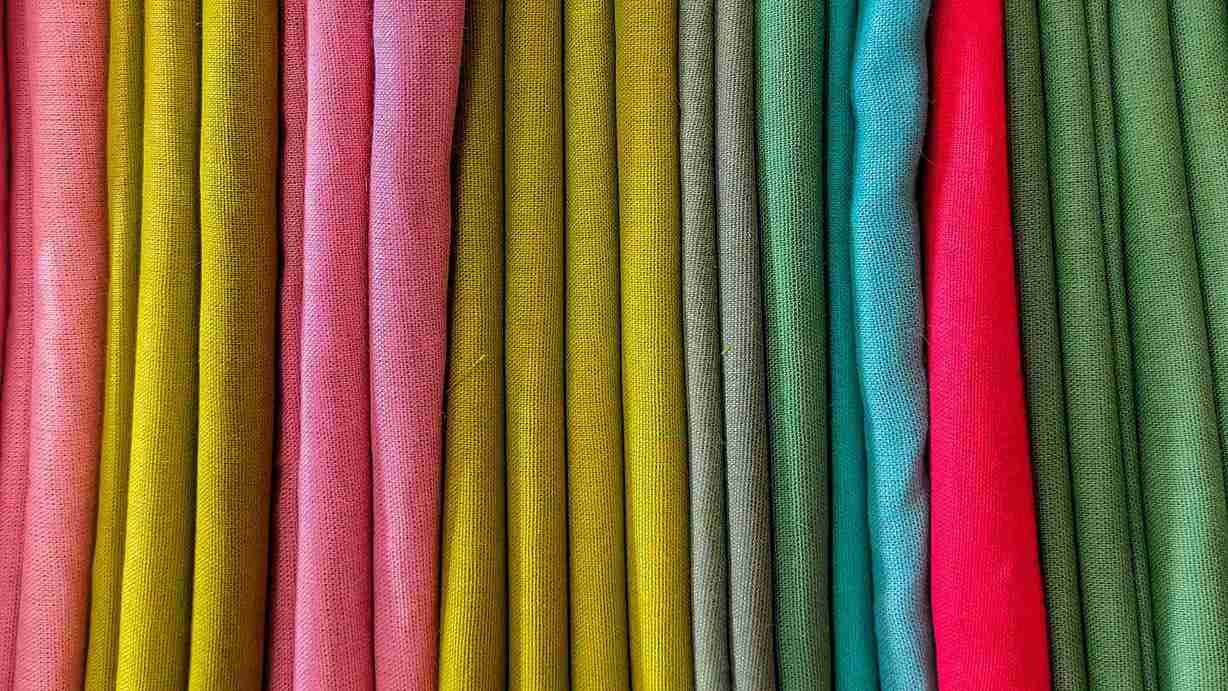
When bamboo and organic cotton are blended, they create a fabric that combines structure with fluid softness. Organic cotton provides durability and breathability, while bamboo enhances drape, stretch, and smoothness. This synergy results in baby garments that feel luxuriously soft yet resilient enough for daily wear. Manufacturers such as Bali Garment Manufacture specialize in working with natural fiber blends to produce small-batch baby collections rooted in quality and sustainability. Through careful fabric handling, precise stitching, and ethical production standards, they help brands develop bamboo and organic cotton babywear that reflects modern expectations for both comfort and responsibility.
Sustainability as a Core Principle
Both bamboo and organic cotton support a more sustainable textile system when responsibly sourced. Bamboo grows rapidly and requires fewer agricultural inputs, while organic cotton farming reduces reliance on synthetic chemicals. When combined with ethical manufacturing and small-batch production, these materials form the foundation of a more conscious babywear industry. The future of baby clothing lies not only in how garments feel but also in how they are made. Parents increasingly value transparency, eco-friendly packaging, and responsible labor practices making sustainable fiber choices a defining element of forward-thinking baby brands.
A New Standard for Baby Comfort
Bamboo and organic cotton represent more than a fabric trend; they signal a shift toward thoughtful design and mindful consumption. Soft, breathable, and gentle on delicate skin, these natural fibers provide everyday comfort while supporting environmental responsibility. As babywear continues to evolve, bamboo and organic cotton are positioned at the forefront of innovation. By combining natural materials with ethical craftsmanship, manufacturers like Bali Garment Manufacture help shape a future where baby clothing is not only beautiful and functional, but also consciously made for the next generation.