

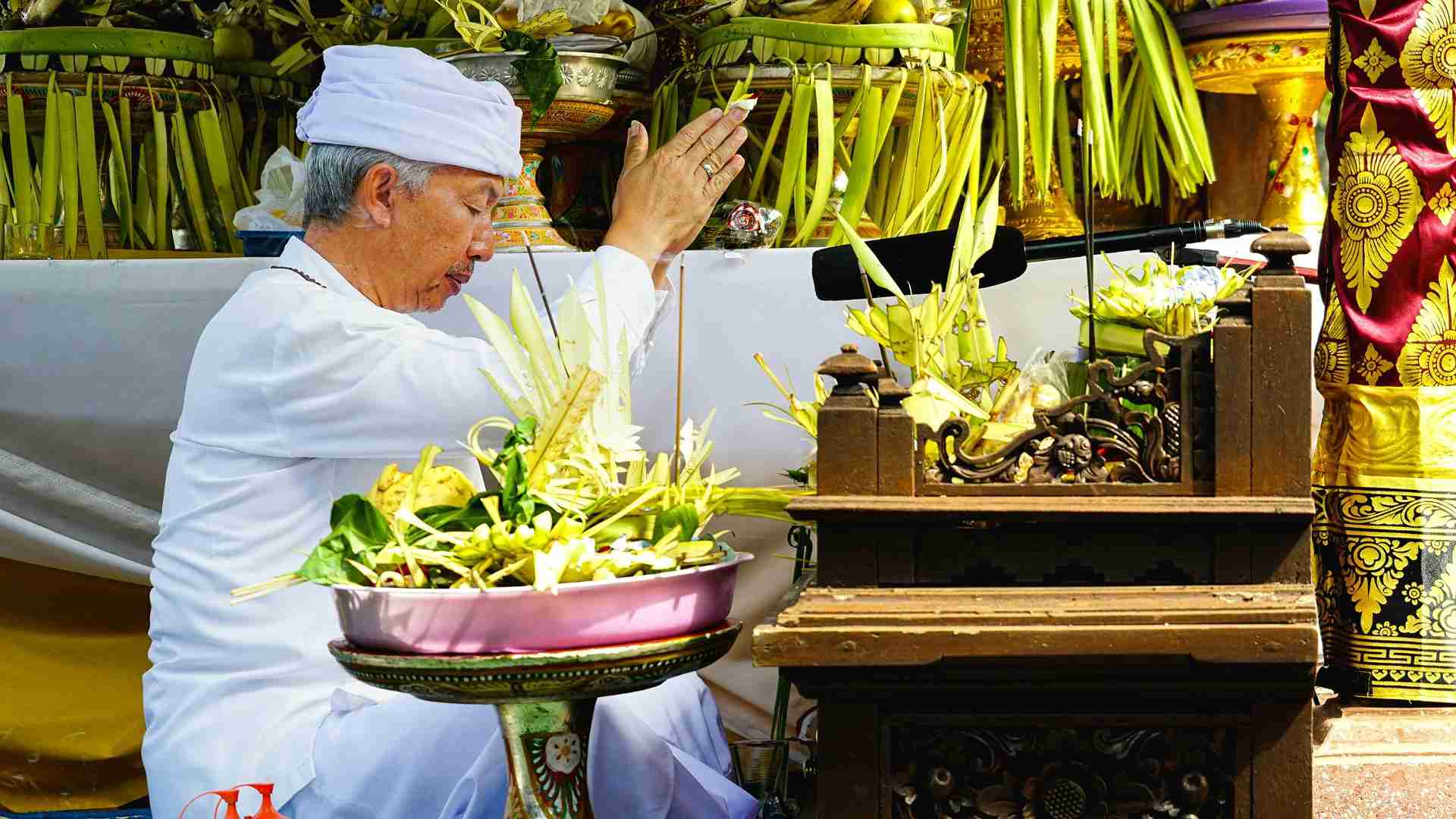
Balinese culture is rich in symbolism, craftsmanship, and ceremonial elegance. When translated thoughtfully into modern uniform design, these elements can add depth and authenticity without overwhelming the overall aesthetic. Rather than replicating traditional attire directly, contemporary uniforms often draw inspiration from texture, pattern, and proportion. For example, subtle woven accents inspired by local textiles or fine embroidery that reflects traditional motifs can be integrated into collars, cuffs, or pocket trims. This approach allows hospitality brands to honor local heritage while maintaining a clean and modern silhouette suitable for international guests.
Natural Fabrics Inspired by Island Living
Bali’s climate and lifestyle strongly influence material choices. Traditional clothing on the island prioritizes breathability and comfort, qualities that remain essential in modern hospitality uniforms. Linen, lightweight cotton, and bamboo blends reflect the island’s natural environment while supporting staff comfort in tropical conditions. Manufacturers such as Bali Garment Manufacture often combine these natural fibers with contemporary tailoring techniques to create uniforms that feel refined yet relaxed. The result is apparel that captures the essence of island living while meeting professional standards for durability and structure.
Earth-Toned Color Palettes Rooted in Nature
Balinese landscapes offer a natural color story that translates beautifully into uniform design. Warm sand tones, terracotta, muted greens, deep ocean blues, and soft stone greys echo the island’s beaches, temples, and lush rice fields. Using these tones in staff uniforms creates a seamless connection between architecture, interiors, and team presentation. Rather than bold or artificial shades, modern Balinese-inspired uniforms tend to favor calming, grounded palettes that evoke serenity and balance.
Silhouettes That Reflect Grace and Modesty
Traditional Balinese attire emphasizes graceful lines and respectful presentation. Modern uniforms can reflect this influence through modest cuts, fluid draping, and softly structured tailoring. Women’s uniforms may incorporate wrap-style details or flowing outer layers, while men’s designs might feature clean mandarin collars or relaxed yet polished fits. The goal is not to imitate ceremonial dress, but to reinterpret its elegance into forms that feel contemporary and practical for daily operations. Comfort and mobility remain priorities, especially in resort and villa environments where staff are constantly interacting with guests.
Integrating Craftsmanship Without Costume
One of the key challenges in incorporating Balinese influence is avoiding a costume-like appearance. The strongest designs are those that integrate cultural references with restraint. A single woven accent panel, a natural shell button, or a tonal batik-inspired lining can communicate cultural appreciation without dominating the overall look. This balance ensures that uniforms feel sophisticated and globally relevant while still rooted in place. Guests experience authenticity not through overt symbolism, but through thoughtful, well-executed details.
Creating a Sense of Place Through Design
In modern hospitality, guests increasingly seek experiences that feel connected to their destination. Uniforms inspired by Balinese aesthetics contribute to this sense of place. When staff presentation aligns with architecture, landscape, and local culture, the entire property feels more immersive and intentional. Balinese influence in modern uniform design is not about tradition versus innovation. It is about harmony. By blending cultural heritage with contemporary tailoring and performance fabrics, hospitality brands can create uniforms that honor the island’s identity while delivering a refined and globally appealing standard of service.