In modern hospitality and service industries, comfort has become a top priority in uniform design. Staff members often work long shifts, moving between indoor and outdoor environments while performing physically demanding tasks. Breathable fabrics help regulate body temperature, wick moisture away from the skin, and allow airflow through the garment. By selecting materials that promote ventilation and comfort, businesses can ensure that employees remain focused, energetic, and professional throughout the day.
Natural Fibers for Airflow and Softness
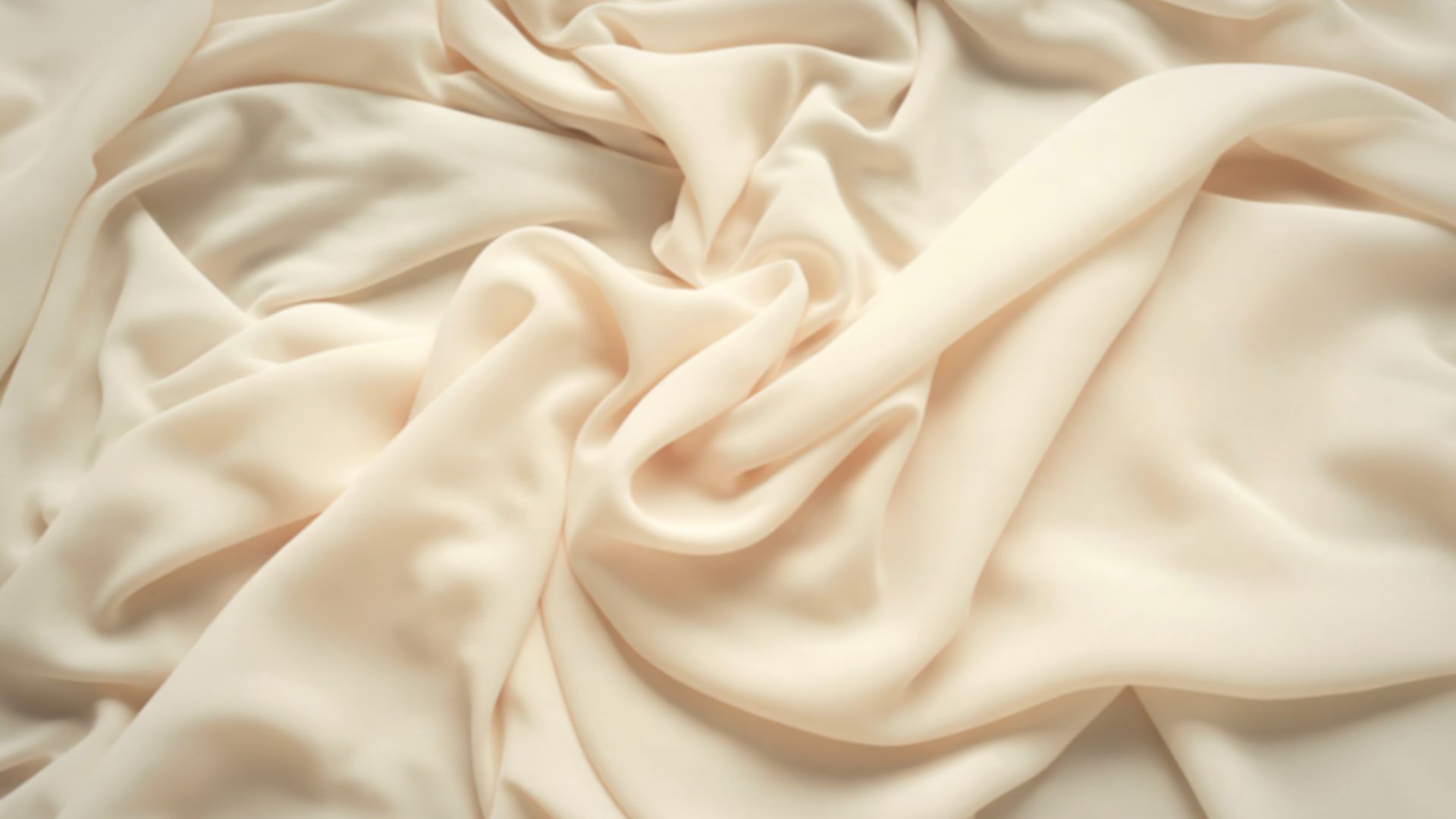
Natural fabrics are among the most popular choices for breathable uniforms. Cotton, linen, and bamboo-based textiles allow air to circulate easily while remaining soft against the skin. Cotton is widely valued for its comfort and durability, making it suitable for daily wear. Linen offers exceptional airflow, making it ideal for warm climates and outdoor work environments. Bamboo fabrics are increasingly favored for their natural moisture-wicking and antibacterial properties, providing both comfort and freshness for long working hours.
Lightweight Blends for Durability and Flexibility
While natural fibers offer excellent breathability, many uniform designs incorporate lightweight fabric blends to improve durability and flexibility. Blending cotton or bamboo with small amounts of polyester or elastane can enhance wrinkle resistance, strength, and stretch without compromising comfort. These blends allow uniforms to maintain a polished appearance while supporting active movement, making them suitable for service roles that require constant mobility.
Moisture-Wicking and Temperature Control
Modern breathable fabrics are often designed with moisture-wicking technology, which helps draw sweat away from the skin and allows it to evaporate quickly. This feature keeps staff feeling dry and comfortable even in hot or humid conditions. Fabrics with temperature-regulating properties also help maintain a stable body temperature, preventing overheating during busy service hours. Such features are particularly valuable in tropical resort environments, kitchens, or outdoor hospitality settings.
Fabric Weight and Weave
Breathability is influenced not only by material but also by fabric weight and weave structure. Lightweight weaves, such as poplin or chambray, allow greater airflow compared to tightly woven heavy fabrics. Looser weaves create natural ventilation, helping uniforms remain cool and comfortable during extended wear. Selecting the right weight and weave ensures garments maintain both durability and comfort without feeling heavy or restrictive.
Practical Benefits for Businesses and Staff
Breathable fabrics benefit both employees and employers. Staff experience greater comfort, reduced fatigue, and improved mobility, which can positively affect productivity and service quality. Businesses benefit from uniforms that remain neat, comfortable, and durable throughout long shifts, reducing the need for frequent replacements. Well-designed breathable uniforms also contribute to a professional appearance that reflects the organization’s commitment to staff well-being.
Selecting breathable fabrics is essential for creating uniforms that prioritize comfort, functionality, and long-term performance. Natural fibers, lightweight blends, moisture-wicking technology, and appropriate fabric weaves all play a role in ensuring uniforms remain cool and comfortable during demanding workdays. By focusing on breathable materials, organizations can support employee well-being while maintaining a polished and professional image.