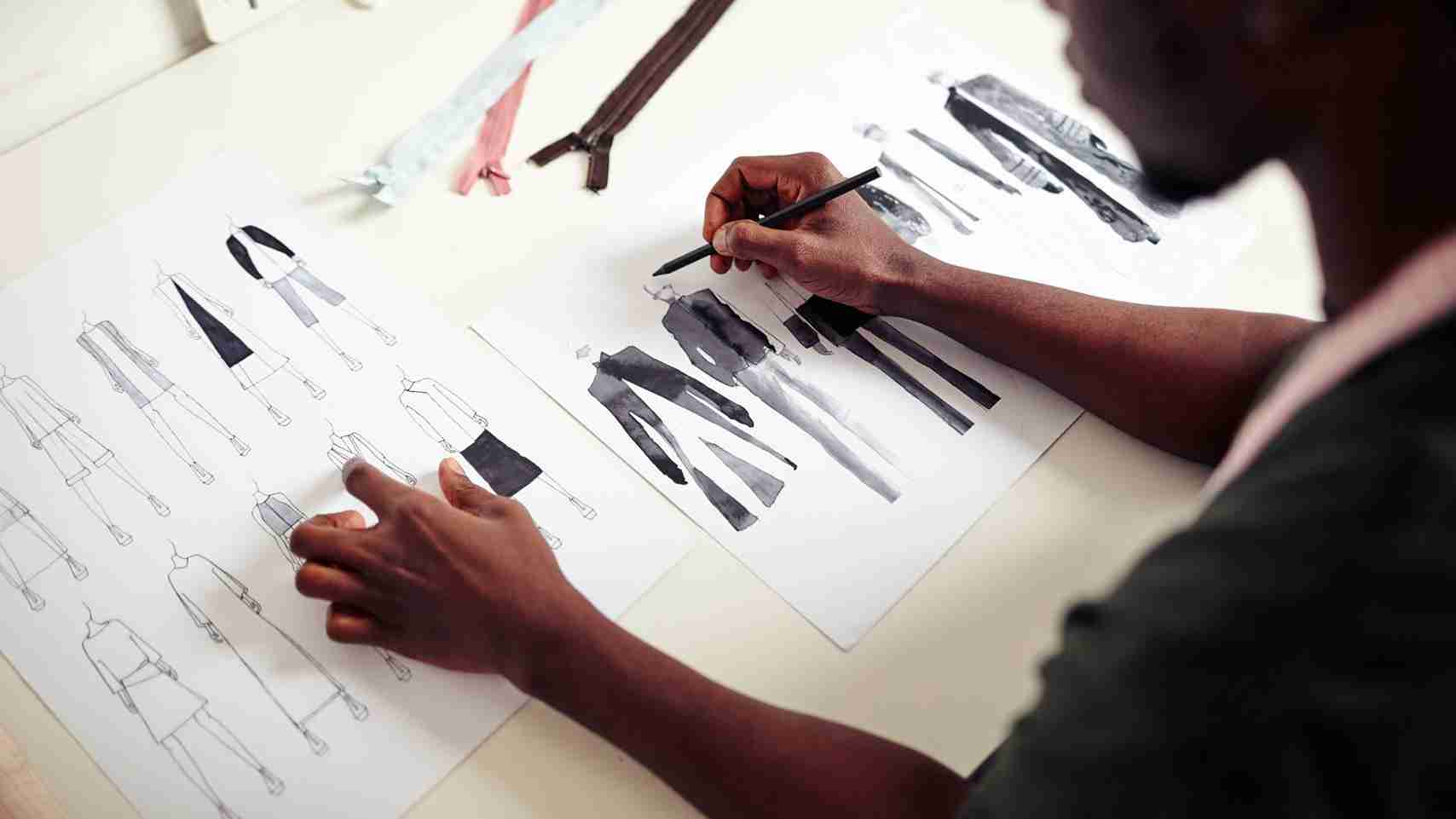
Every school uniform begins as an idea shaped by the identity and values of the institution. Designers start by understanding the school’s vision, color palette, and functional requirements. Factors such as climate, student activities, and the overall image the school wants to present all influence the design process. Early sketches often explore different silhouettes, fabric options, and style details that balance practicality with a polished appearance suitable for a learning environment. At this stage, collaboration between designers and school representatives is essential. Through discussions and revisions, the concept evolves into a design that reflects the school’s character while meeting the everyday needs of students and staff.
Transforming Ideas into Technical Designs
Once the concept is approved, the sketches are translated into technical designs. Pattern makers create detailed garment patterns that determine the structure and fit of each piece, whether it is a shirt, skirt, blazer, or sports uniform. Precise measurements and grading systems are used to ensure the uniform can accommodate a wide range of student sizes. Technical specifications also outline fabric choices, stitching methods, and finishing details. This stage ensures that the design not only looks appealing but can also be produced consistently and efficiently while maintaining quality standards.
Selecting Fabrics and Materials
Fabric selection plays a major role in the performance and durability of school uniforms. Designers choose materials that provide comfort, breathability, and resilience, especially for students who wear the garments for long hours each day. Cotton blends, lightweight polyester, and stretch fabrics are commonly used because they combine softness with durability. In warmer regions, breathable textiles help students stay cool and comfortable throughout the school day. At the same time, the fabrics must be able to withstand frequent washing and daily wear without fading or losing their shape. Choosing the right materials ensures that the final uniforms remain practical as well as visually appealing.
Creating Prototypes and Sample Pieces
Before full production begins, sample garments are produced to test the design in real conditions. These prototypes allow designers and school representatives to evaluate fit, comfort, and overall appearance. Adjustments may be made to improve mobility, refine proportions, or enhance durability. Students or staff members may also try the sample uniforms to provide feedback. This step is important because it ensures that the final design meets both functional and aesthetic expectations. Refining the design at the sample stage prevents production issues later on.
Craftsmanship and Production
Once the samples are approved, the production phase begins. Skilled garment workers cut the fabrics, assemble the pieces, and stitch each component together with careful attention to detail. Consistency is essential so that every uniform produced meets the same quality standards. Quality control checks are conducted throughout the process to ensure accurate sizing, strong seams, and clean finishing. Buttons, logos, and embroidered school crests are applied during this stage, completing the distinctive look of the uniform.
Final Delivery and School Identity
The finished uniforms are carefully inspected, packed, and prepared for delivery to the school. Once distributed to students, the garments become an everyday symbol of belonging and unity within the institution. What started as a simple sketch has now become a complete uniform collection worn across classrooms, sports fields, and school events. A well-crafted school uniform reflects thoughtful design, skilled craftsmanship, and collaboration between schools and manufacturers. From the first concept drawing to the final stitch, each step contributes to creating attire that supports student comfort, strengthens school identity, and represents the values of the educational community.