
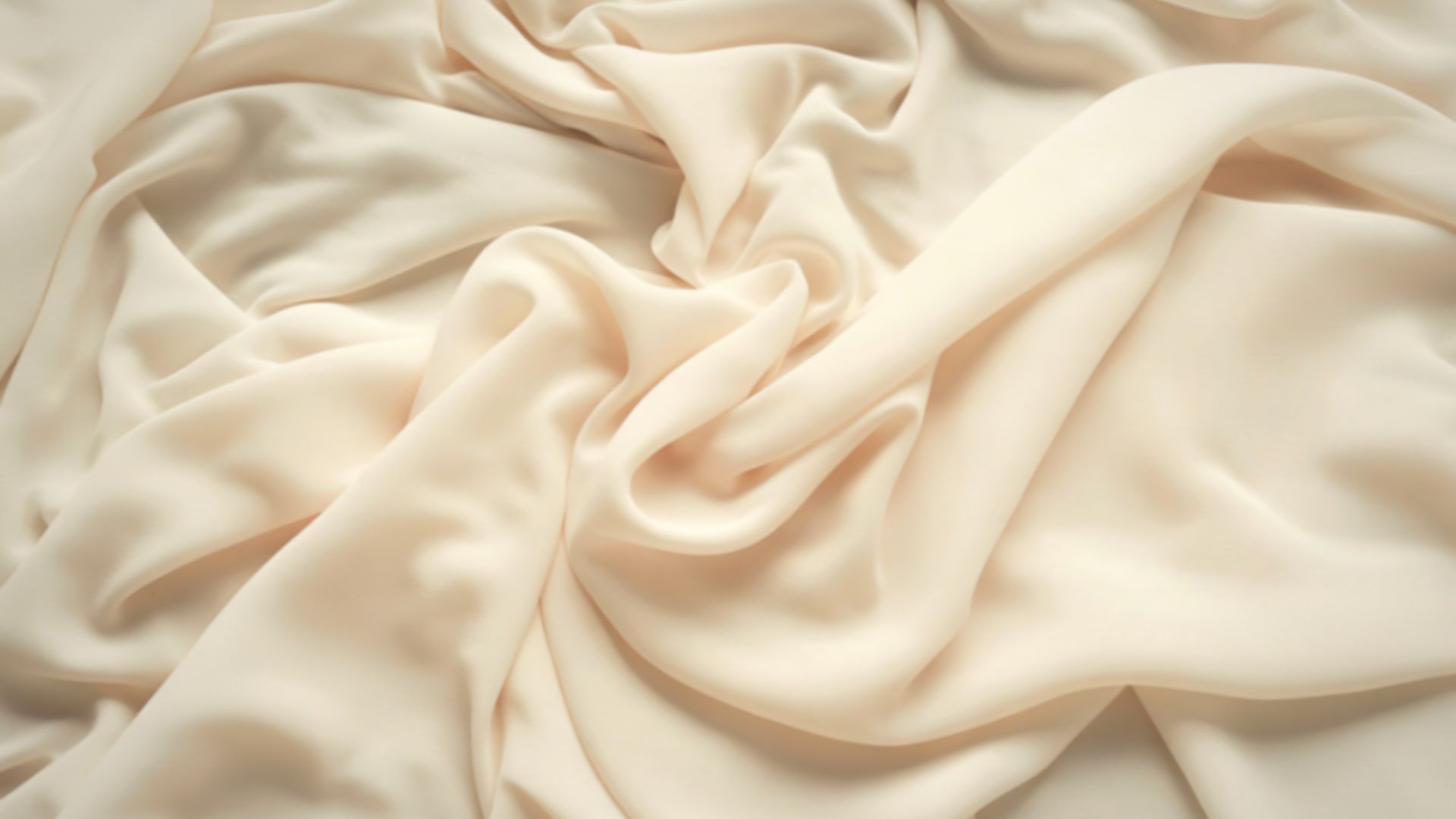
Bali’s tropical climate is characterized by warm temperatures, high humidity, and strong sunlight throughout the year. In such conditions, clothing must do more than simply look stylish; it must help the body stay cool and comfortable. Breathable fabrics allow air to circulate through the material, helping heat escape and preventing excessive moisture buildup on the skin. This is especially important for garments worn for long periods, such as resort wear, uniforms, or everyday casual clothing. When fabrics trap heat or restrict airflow, the wearer can quickly feel uncomfortable in humid weather. Breathable textiles help regulate body temperature, making them an essential choice for clothing designed and manufactured in Bali.
Improving Comfort in High Humidity
Humidity is one of the biggest challenges in tropical environments. When the air already holds a high level of moisture, sweat evaporates more slowly, which can leave clothing feeling damp and heavy. Breathable fabrics address this issue by promoting airflow and allowing moisture to evaporate more easily from the surface of the skin. Natural materials such as cotton, linen, and bamboo fibers are particularly well suited to humid climates because they absorb moisture and release it quickly. These fabrics keep the body feeling fresh and dry, even during active days or outdoor activities under the sun. As a result, garments made from breathable textiles provide a more comfortable and enjoyable wearing experience.
Supporting Active Lifestyles
Life in Bali often involves movement, whether it is working in hospitality, exploring outdoor landscapes, or enjoying beach and wellness activities. Clothing must be able to support this active lifestyle without causing discomfort. Breathable fabrics help reduce overheating and irritation, allowing the wearer to move freely and remain comfortable throughout the day. For resort staff, villa teams, and hospitality professionals, breathable uniforms are especially important. Staff members who work in warm environments benefit greatly from fabrics that keep them cool and dry, enabling them to perform their duties with confidence and professionalism.
Enhancing Fabric Performance and Longevity
Breathable fabrics are not only comfortable but also practical. Materials that allow airflow and moisture control tend to remain fresher for longer periods, reducing odor and improving hygiene. This makes them ideal for garments that are worn frequently and washed regularly. High-quality breathable textiles also maintain their shape and appearance better over time. When combined with thoughtful garment construction and durable stitching, these fabrics help ensure that clothing remains functional and visually appealing even after repeated use.
Aligning with Sustainable Fashion Practices
Many breathable fabrics are derived from natural or sustainable sources, making them a popular choice for environmentally conscious clothing production. Cotton, bamboo, and linen are biodegradable materials that can be produced with lower environmental impact compared to many synthetic alternatives. In Bali, where sustainability is becoming an important part of the fashion and garment industry, using breathable natural fabrics aligns with the values of eco-friendly production. Designers and manufacturers often prioritize these materials to create garments that respect both the environment and the comfort of the wearer.
Breathable fabrics are essential for clothing designed in Bali’s warm and humid climate. By promoting airflow, managing moisture, and supporting comfort during daily activities, these materials make garments more practical and enjoyable to wear. At the same time, natural breathable textiles often align with sustainable fashion practices, making them an ideal choice for modern clothing production. When designers and manufacturers prioritize breathable fabrics, they create garments that not only look beautiful but also perform effectively in tropical environments, ensuring comfort and durability for people living, working, and traveling in Bali.