If you are starting a clothing brand or preparing your first production order, you may have heard the term “tech pack” before.
But what exactly is a tech pack, and what goes into one?
A tech pack is a document that gives a manufacturer the information they need to understand how you want a garment to look and how you want it made. Instead of explaining every detail through separate messages, images, and files, you can keep the main production information together in one place.
This becomes especially useful when your garment has specific measurements, fabric, colors, construction details, or branding that the manufacturer needs to follow.
For example, saying, “I want an oversized cotton T-shirt with my logo” gives the manufacturer a general idea, but it doesn’t tell them everything they need to make it. They still need to know the measurements, fabric, color, logo size and placement, stitching details, label placement, and other specifications.
A tech pack brings those details together so the manufacturer has a clearer reference to work from.
In this guide, we’ll look at what a tech pack usually contains, why manufacturers use one, and what you can do if you don’t have a tech pack yet.
What Is a Tech Pack?
A tech pack is a document that collects the important details of a garment in one place.
You can think of it as a guide for the manufacturer. It shows them what you want the finished garment to look like and gives them the information they need to develop and produce it.
A tech pack can include drawings, measurements, fabric details, colors, construction notes, artwork, and other specifications for the garment.
There is no single format that every brand has to follow. Some brands create detailed, multi-page tech packs with information for every part of the garment, while others keep them simpler when the design doesn’t need as many details.
The important thing is that the manufacturer can clearly understand what you want from the information you provide.
For Bali Garment Manufacture, clients can prepare their product information, measurements, and specifications before production. You can also send a tech pack or design through email or WhatsApp, or discuss the product directly with the team in Bali.
What Information Does a Tech Pack Usually Contain?
There is no fixed format for a tech pack. The information you include depends on the garment you are making and how much detail the manufacturer needs.
A typical tech pack can include:
- Measurements and size chart
- Fabric and trims
- Colors
- Construction details
- Artwork and branding
- Label and packaging information
- Special production instructions
A simple T-shirt may only need a few of these details, while a more complicated garment can need much more. A jacket with lining, pockets, zippers, panels, and custom trims, for example, needs more information than a basic T-shirt.
Measurements and Size Chart
Measurements tell the manufacturer how you want the garment to fit.
You can include measurements such as the chest, waist, hips, shoulders, sleeve length, garment length, and inseam. You can also include the measurements for each size.
For example:
- Size S: 38-inch chest
- Size M: 40-inch chest
- Size L: 42-inch chest
- Size XL: 44-inch chest
The manufacturer can use these measurements when creating the pattern and developing the sample.
Make sure you also explain whether the measurements describe the body or the finished garment. This becomes especially important when you want a specific fit, such as fitted, regular, relaxed, or oversized.
If you don’t have your own size chart yet, you can discuss your requirements with the manufacturer. Bali Garment Manufacture also provides size references for different customer groups, including women’s petite sizing.
Fabric and Trims
Your tech pack should also tell the manufacturer what materials you want to use.
For the main fabric, you can include details such as:
- Fabric type
- Composition
- Weight
- Color
- Texture
- Stretch
- Other material requirements
You can also list the trims and other materials used in the garment, such as buttons, zippers, elastic, cords, or other components.
For example, saying “100% cotton” may not give the manufacturer enough information. You may also have a specific fabric weight, texture, or finish in mind.
If you are still looking for the right material, Bali Garment Manufacture offers Fabric Sourcing to help find fabrics based on factors such as composition, quantity, quality, cost, and color.
You can also explore Custom Fabric when you need a specific fabric composition or material that you cannot find through standard sourcing.
Colors
Your tech pack should clearly show the colors you want for the garment.
You can use a Pantone reference, color code, fabric swatch, or another clear reference that the manufacturer can work from.
This becomes more important when the color needs to match your brand or when several parts of the garment need to follow the same color.
For example, you may want the fabric, embroidery thread, and printed artwork to use colors from the same palette.
Bali Garment Manufacture’s Dyeing, Print, and Embroidery service also allows clients to provide Pantone colors and pattern drawings when requesting custom dyeing, printing, or embroidery.
Construction Details
A tech pack should also explain how you want the garment put together.
This can include details such as:
- Seam type
- Stitching
- Collar construction
- Cuffs
- Pockets
- Zippers
- Waistbands
- Pleats
- Darts
- Panels
- Hem finishing
These details matter because two garments can use the same fabric and measurements but still look very different depending on how you construct them.
For example, a relaxed shirt with dropped shoulders and oversized sleeves needs a different construction from a fitted shirt with standard shoulders and narrower sleeves.
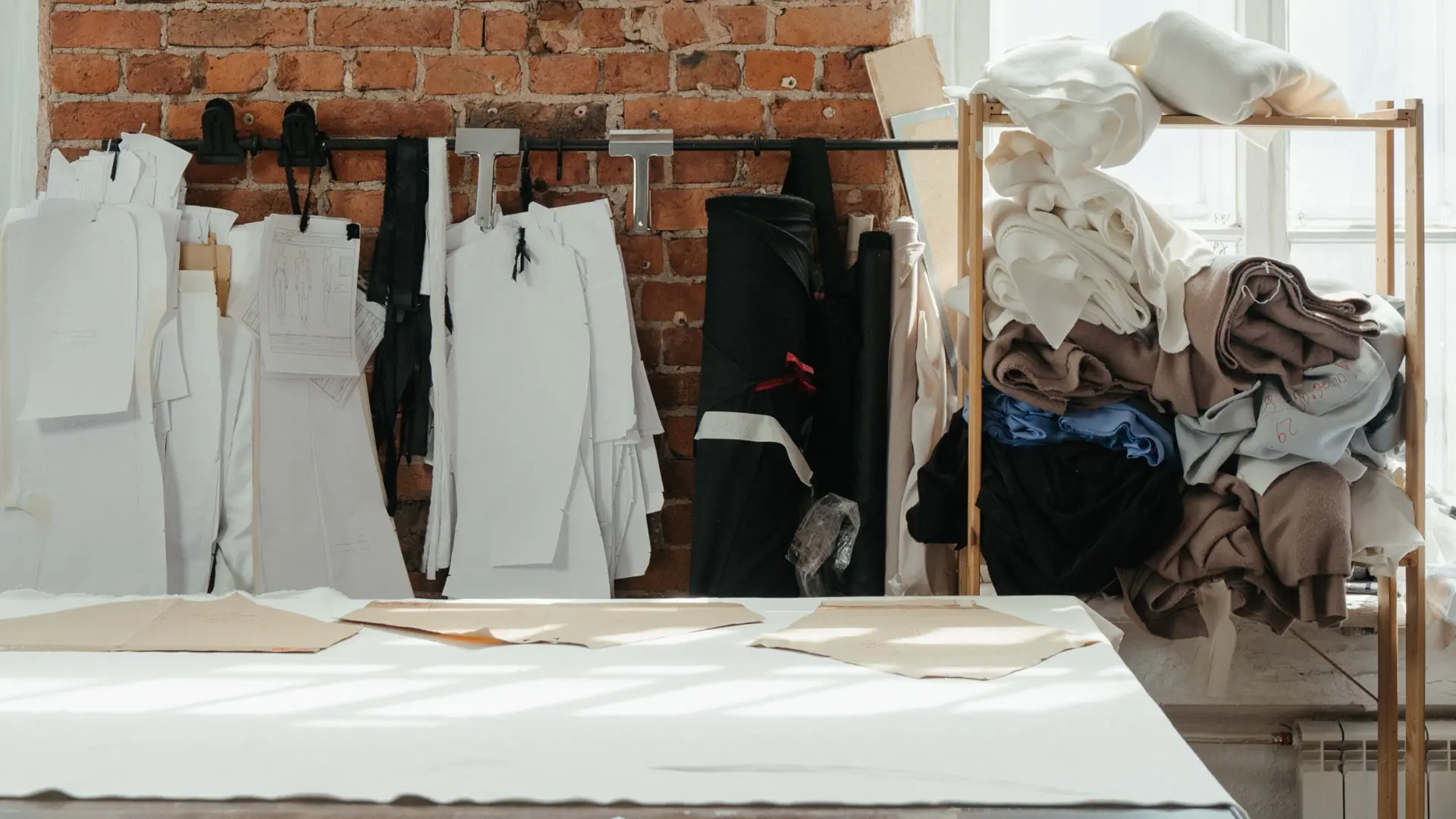
Bali Garment Manufacture‘s production process includes Product Consultation, pattern development, sampling, cutting, sewing, and quality assurance. The team uses the design information to develop the pattern and sample before larger production begins.
Artwork and Branding
If you want to add printing, embroidery, or other branding to the garment, your tech pack should show exactly what you want.
You can include:
- Logo or artwork
- Artwork size
- Placement
- Color
- Embroidery dimensions
- Print area
- Other branding instructions
For example, saying “put the logo on the chest” still leaves room for interpretation. It is better to show the logo size, exact placement, distance from the center or seam, and the colors you want.
This becomes even more important when the same logo or artwork appears in more than one place on the garment.
Bali Garment Manufacture also works with custom printing, dyeing, and embroidery and asks clients to provide details such as Pantone colors, artwork, embroidery measurements, and other specifications.
Why Do Manufacturers Use Tech Packs?
A tech pack gives the manufacturer one clear reference for the garment.
Without one, you may end up explaining the same product through messages, screenshots, photos, measurements, and separate artwork files. The information can quickly become difficult to follow, especially when the garment has a lot of details.
For example, you might tell a manufacturer: “I want a black oversized T-shirt with a logo on the chest.”
That gives them the basic idea, but they still need more information before they can develop the garment.
- What fabric should they use?
- How oversized should the T-shirt be?
- What measurements should each size follow?
- How large should the logo be?
- Where should they place it?
- What color reference should they use for the black fabric?
- What stitching and construction details do you want?
- What type of label should they add?
A tech pack puts these details together in one place, so the manufacturer has a clear reference to work from.
It also gives you something to check against when you receive the sample. You can compare the sample with the information in the tech pack and see whether the measurements, fabric, colors, artwork, and construction match what you requested.
If something looks different, you can refer back to the original specifications instead of trying to remember what you discussed earlier.
What Happens If You Don’t Have a Tech Pack?
Not having a tech pack doesn’t mean you cannot start developing a garment.
You may already have a sketch, product photo, reference garment, measurements, fabric sample, or even a finished product that shows what you want to make.
You can use these materials to explain the product to the manufacturer and start working through the details.
With Bali Garment Manufacture, you can begin with your design, product sizes, and specifications. You can also work with the team from the initial idea through to the finished product.
If you know what you want but don’t know how to put everything into a complete tech pack, you can discuss the product through Product Consultation.
The important thing is to give the manufacturer enough information to understand the garment and what you want the final product to look like. You can then work through any missing details during the development and sampling process.
Frequently Asked Questions
A tech pack can include measurements, size charts, fabric and trims, colors, construction details, artwork, branding, labels, packaging, and other production instructions. The exact information depends on how detailed the garment is.
Not always. You can start with a design, sketch, sample, measurements, or other references. A tech pack simply puts the important production details in one place so the manufacturer has a clearer reference.
Yes. An existing garment can show the fit, measurements, proportions, and construction you want. You can also provide it along with artwork, fabric references, and other specifications to give the manufacturer a clearer idea of the product.
You don’t need a complete tech pack to get started. Bali Garment Manufacture can work from your design, measurements, or product references and help develop the garment from there.
After you send your design or tech pack, our team develops the pattern and sample based on your specifications. You can review the sample and request changes before production begins.
Final Thoughts
A tech pack helps turn a clothing idea into clear instructions for the manufacturer.
Instead of keeping your measurements in one file, your fabric details in a message, your logo in another file, and your construction notes somewhere else, you can bring those details together in one place. This makes it easier for the manufacturer to understand what you want and easier for you to check the sample later.
You also don’t need a complete tech pack before you can start developing a garment. A design, reference garment, measurements, fabric idea, or sample can give you a starting point. From there, you can work through the missing details during product development and sampling.
Bali Garment Manufacture also offers garment production services that cover product consultation, fabric sourcing, custom fabric, sampling, production, labeling, packaging, and other steps involved in developing a garment.
So, what are waiting for? Let’s Contact Bali Garment Manufacture to discuss your design, tech pack, or production project.