
In Bali, the concept of fashion extends beyond creating beautiful garments; it also embraces responsibility toward the environment. Fabric waste, once considered a byproduct of clothing production, has become a valuable resource in the island’s sustainable fashion movement. Local designers and workshops increasingly view offcuts, scraps, and surplus textiles as raw material for innovative, eco-conscious creations. This approach reduces environmental impact, minimizes landfill contributions, and encourages creativity in design. By reimagining what was once discarded, Bali’s fashion industry demonstrates that waste can be transformed into opportunity. Instead of focusing solely on minimizing production, brands actively incorporate recycling practices that add value and uniqueness to each garment or accessory, making sustainability a core element of their brand identity.
Upcycling and Limited-Batch Innovation
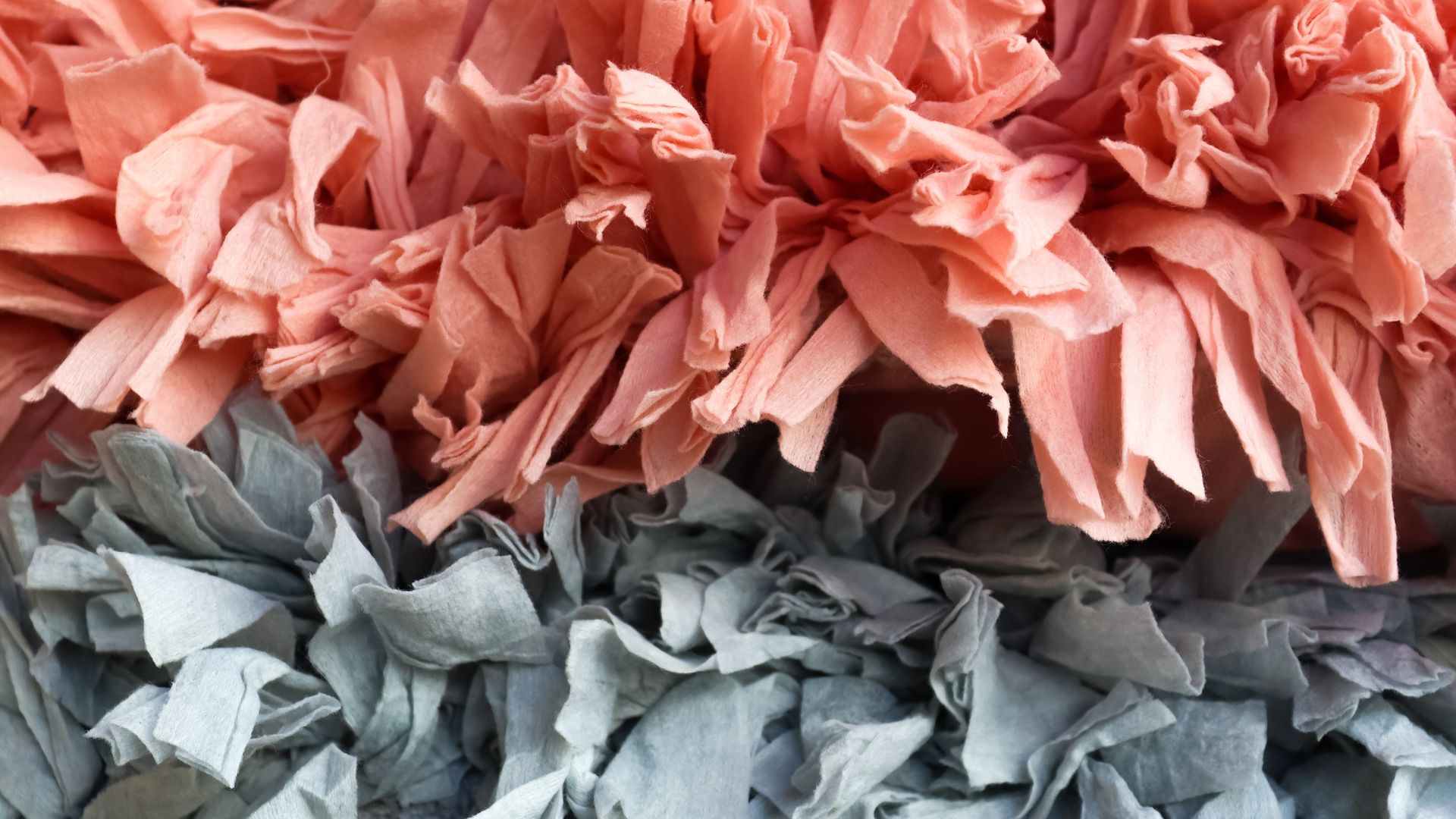
Upcycling is a key strategy in Bali’s fabric recycling practices. Scraps from larger production runs are transformed into smaller items such as tote bags, headscarves, patchwork clothing, or even home décor. Designers experiment with mixing fabrics, layering textures, and creating patterns that highlight the origin of the materials, turning remnants into statement pieces. Limited-batch production complements this strategy, allowing artisans to dedicate attention to the quality and design of each recycled piece. These small-batch collections not only minimize waste but also appeal to conscious consumers who value originality, craftsmanship, and eco-friendly design.
Artisans as Creative Catalysts
Local artisans play a central role in Bali’s recycling efforts. Their skills in sewing, embroidery, weaving, and fabric manipulation allow scraps to be repurposed efficiently and artistically. By combining traditional techniques with modern design thinking, artisans elevate discarded materials into garments that are both functional and stylish. This process also fosters a sense of pride and innovation within artisan communities, highlighting their capacity to turn limitations into creativity. Each recycled garment becomes a tangible reflection of craftsmanship, sustainability, and problem-solving in the fashion industry.
Eco-Friendly Fabric Treatments
In addition to repurposing materials, recycled fabrics often undergo eco-conscious treatments that further reduce environmental impact. Natural dyes, low-water washing processes, and non-toxic finishing methods ensure that the upcycled pieces remain environmentally responsible throughout their lifecycle. Workshops also monitor the sourcing of recycled materials, sometimes collaborating with neighboring factories or community programs to collect excess textiles that would otherwise go to waste. This networked approach strengthens Bali’s reputation as a hub for environmentally aware fashion production.
Educating Consumers Through Transparency
A critical aspect of recycling practices in Bali is storytelling. Brands openly communicate the journey of each garment, from leftover fabric to finished product, allowing consumers to appreciate the ingenuity and effort involved. This transparency encourages more mindful purchasing decisions and reinforces the value of sustainability in everyday fashion. By highlighting the ecological and social benefits of recycled clothing, designers foster a deeper connection between consumers and the ethical practices behind their wardrobe choices. It transforms shopping from a transactional act into an intentional, conscious experience.
Building a Circular Fashion Culture
Recycling fabric in Bali is part of a broader move toward circular fashion, where materials are continuously repurposed, reused, and reimagined. By reducing waste, supporting artisan skills, and creating functional yet beautiful garments, Bali’s fashion industry is demonstrating how circularity can be integrated into tropical production contexts. This approach not only benefits the environment but also inspires global designers to rethink resource management and design philosophy. Bali’s practices show that sustainability and style are not mutually exclusive; they can coexist to create fashion that is responsible, innovative, and culturally grounded.
From fabric scraps to statement pieces, Bali’s recycling practices exemplify the transformative potential of sustainable fashion. By embracing upcycling, eco-conscious treatments, and artisan creativity, the island has turned production waste into a resource for innovation and design excellence. These practices not only reduce environmental impact but also celebrate craftsmanship, storytelling, and mindful consumption, reinforcing Bali’s status as a leader in responsible and forward-thinking fashion.