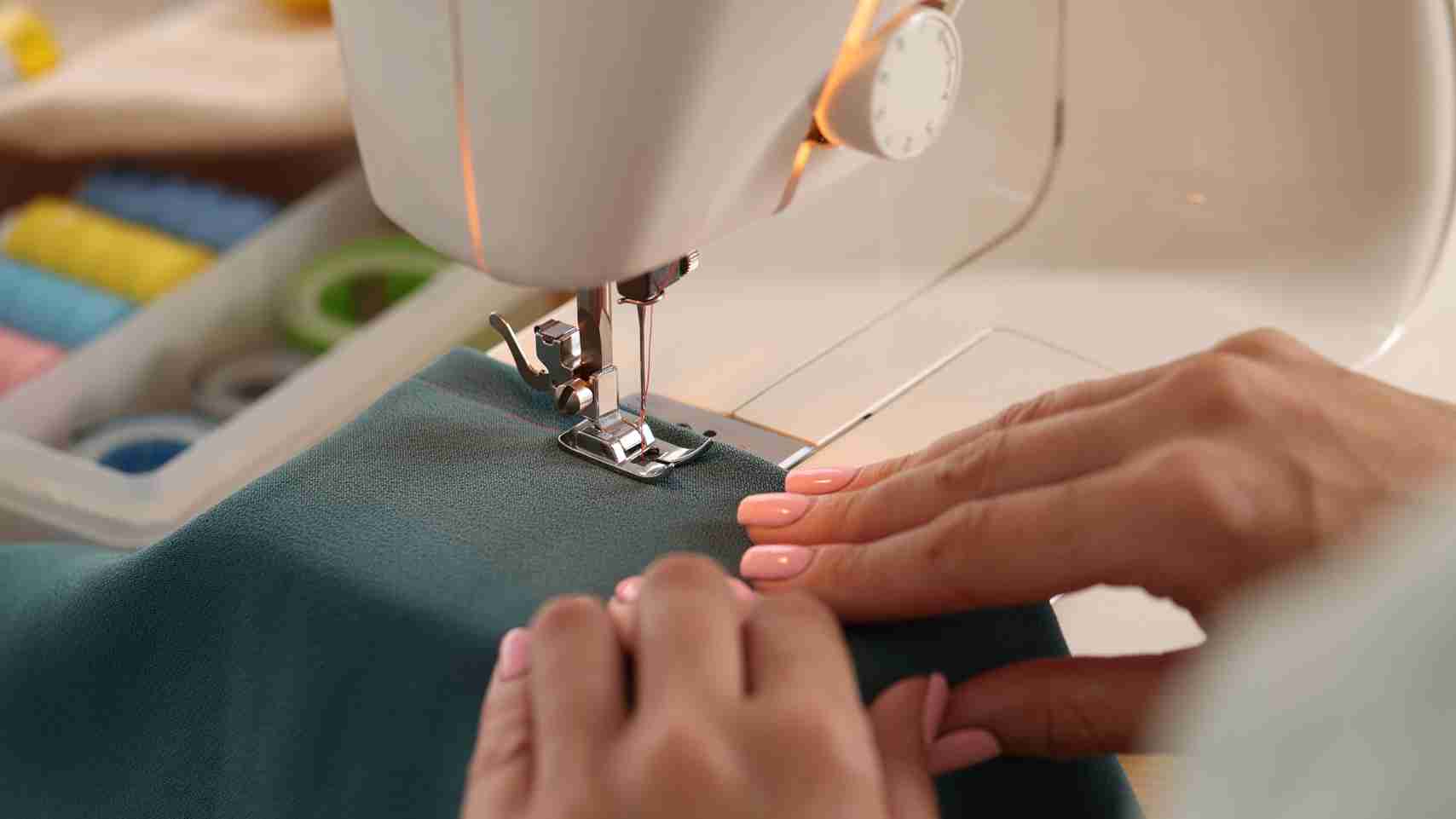
Ethical practices in Bali’s cut and sew industry begin with a commitment to fair labor standards. Skilled tailors, cutters, and pattern makers are not treated as anonymous factory workers but as valued contributors to the production process. Fair wages, safe working conditions, and respectful management structures create a stable environment where craftsmanship can truly flourish. When workers feel secure and supported, the quality of garment construction naturally improves. Precision stitching, careful finishing, and attention to detail reflect not only technical skill but also pride in workmanship. Ethical labor practices therefore shape both the human and technical sides of production.
Small-Batch Manufacturing and Responsible Output
Many Bali-based manufacturers prioritize small-batch production as part of their ethical approach. Instead of overproducing large quantities that may never sell, factories focus on controlled volumes aligned with real demand. This reduces excess inventory, fabric waste, and environmental strain. Manufacturers such as Bali Garment Manufacture integrate this mindset into their cut and sew workflows, ensuring that each garment is produced intentionally rather than mechanically. The emphasis shifts from speed and scale to quality and sustainability.
Conscious Material Selection
Ethical production in Bali also influences fabric sourcing. Natural materials like linen, cotton, and responsibly sourced rayon are often prioritized for their lower environmental impact and biodegradability. Careful material planning during pattern cutting helps minimize offcuts and maximize fabric efficiency. By aligning fabric choices with sustainability goals, cut and sew production becomes part of a broader effort to reduce ecological footprints while maintaining high aesthetic standards.
Transparency and Open Communication
Ethical practices encourage transparency throughout the production process. Designers are often invited to participate in sampling reviews, factory visits, and development discussions. Clear communication builds trust and ensures that expectations around quality, lead times, and sustainability are aligned. This openness allows brands to confidently share their production story with customers, strengthening brand credibility in global markets where traceability is increasingly valued.
Long-Term Skill Development
Another defining feature of ethical cut and sew production in Bali is investment in skill development. Continuous training helps artisans refine pattern-making techniques, master advanced stitching methods, and adapt to evolving design trends. By nurturing talent rather than relying on disposable labor, manufacturers strengthen both garment quality and community resilience. This long-term perspective contributes to consistent craftsmanship across seasons and collections.
Quality as an Ethical Outcome
Ethical production does not compromise technical precision; it enhances it. When production schedules are realistic and teams are not pressured by excessive output demands, garments receive the time and attention required for clean construction and thorough quality checks. Reinforced seams, accurate grading, and balanced silhouettes become achievable standards rather than rushed exceptions. Ethical practices therefore directly support the structural integrity and longevity of each garment.
Ethical practices shape cut and sew production in Bali by placing people, sustainability, and transparency at the core of manufacturing. From fair labor conditions and small-batch output to responsible material sourcing and skill development, these values influence every stage of garment construction. Through collaboration with responsible manufacturers like Bali Garment Manufacture, designers gain access to a production environment where quality and ethics work together seamlessly. The result is clothing that not only looks refined but carries integrity in every stitch.