

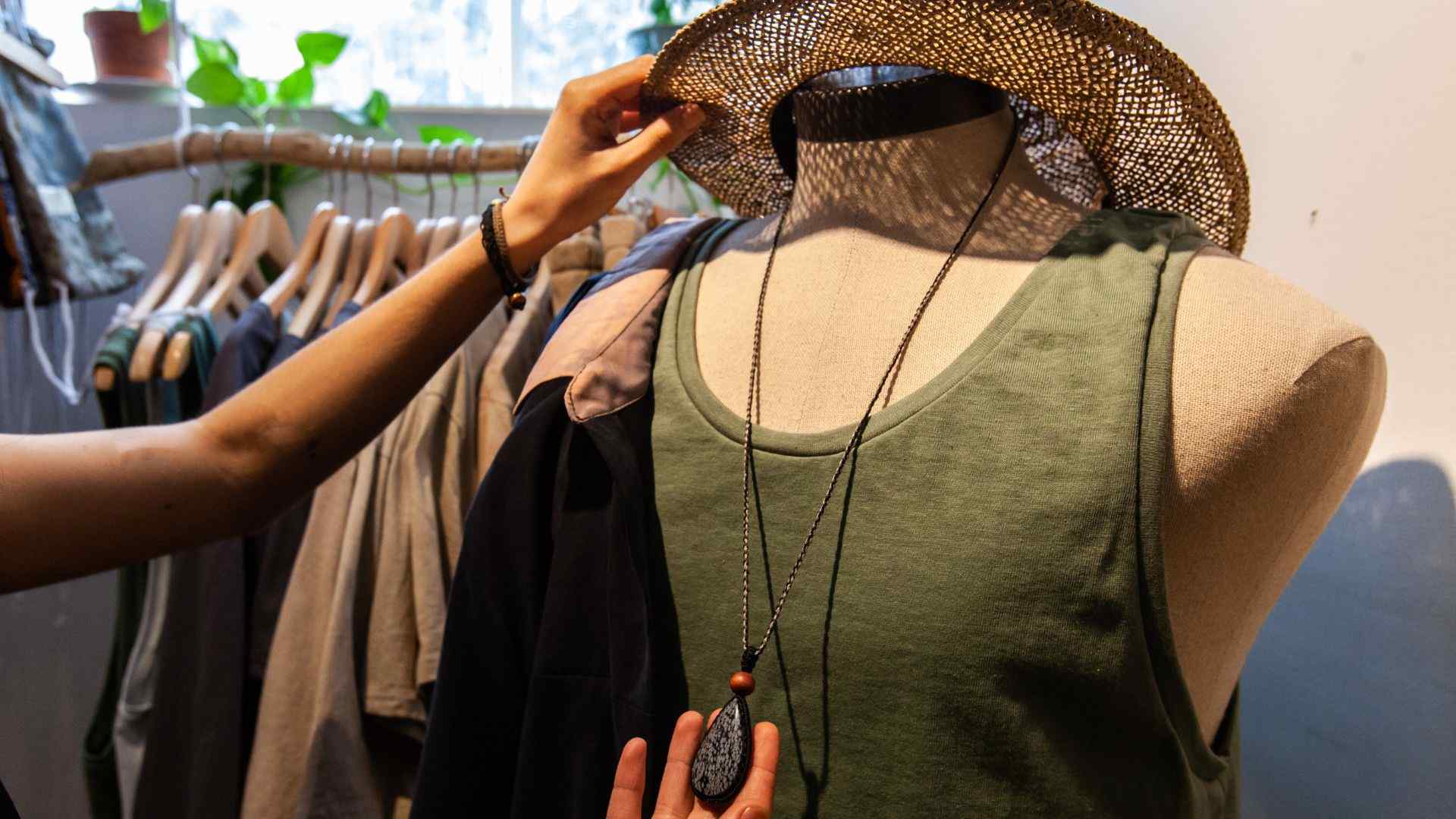
Local artisans play a crucial role in shaping the future of sustainable fashion by preserving and revitalizing traditional crafting techniques. From handwoven textiles and natural dyeing methods to intricate embroidery and sewing practices, these skills embody generations of cultural knowledge. Integrating artisanal craftsmanship into contemporary fashion not only maintains heritage but also offers unique, high-quality products that stand out in a mass-produced market. Consumers increasingly value authenticity and story-driven pieces, making artisan-made garments a cornerstone of sustainable, conscious fashion. Supporting local artisans ensures that these valuable skills are passed down to future generations. It also strengthens community identity and provides economic opportunities for skilled craftspeople who might otherwise be marginalized by industrial manufacturing. In turn, this encourages brands to invest in ethical production and embrace designs that prioritize quality over quantity.
Reducing Environmental Impact Through Handcrafted Techniques
Artisan-led fashion contributes to sustainability by emphasizing low-impact production methods. Many local craftspeople rely on natural fibers, hand-spinning, and natural or plant-based dyes, which significantly reduce water usage, chemical runoff, and energy consumption compared to conventional industrial processes. By producing limited quantities and focusing on quality rather than mass output, artisans help reduce overproduction, a major contributor to fashion waste. Their methods also often involve upcycling or repurposing materials, ensuring that resources are used thoughtfully and sustainably. Each handcrafted garment is a product of intentional creation, minimizing environmental footprint while maximizing value and durability.
Fostering Ethical Labor Practices
Working with local artisans fosters ethical labor practices by providing fair wages, safe working conditions, and community support. Unlike large-scale factories, artisan workshops often emphasize collaborative work environments where the welfare of each craftsperson is prioritized. This approach aligns with the growing consumer demand for transparency and accountability in fashion supply chains. Ethical collaboration ensures that artisans are recognized and compensated for their skills, promoting social sustainability alongside environmental responsibility. When consumers purchase artisan-made pieces, they are investing not only in quality clothing but also in the livelihoods of the makers and the preservation of cultural heritage.
Inspiring Innovation and Creative Design
Local artisans inspire innovation by combining traditional techniques with modern design sensibilities. Collaborations between designers and artisans result in garments that merge heritage aesthetics with contemporary functionality, appealing to consumers seeking distinctive, sustainable fashion. Techniques such as handloom weaving, block printing, and bamboo fabric finishing are reinterpreted for modern silhouettes, colors, and textures, creating products that are both timeless and relevant. These collaborations encourage brands to experiment with new materials, patterns, and sustainable processes, fostering a creative cycle that benefits both the artisan community and the fashion industry at large.
Building Consumer Awareness and Connection
Artisan-made fashion educates consumers about the origins of their clothing and the value of craftsmanship. Transparent storytelling, such as highlighting the artisan’s background, techniques, and sustainable methods, builds emotional connection and encourages mindful purchasing. Consumers become more conscious of the environmental and social impact of their wardrobe, choosing quality, longevity, and ethical production over fast fashion alternatives. This connection strengthens the market for sustainable fashion, driving demand for garments that are ethically made, environmentally responsible, and culturally meaningful.
Local artisans are at the heart of sustainable fashion’s future. By preserving traditional skills, promoting eco-friendly practices, ensuring fair labor, and inspiring creative innovation, artisans shape a fashion ecosystem that values quality, ethics, and cultural heritage. Collaborations between designers, brands, and artisan communities not only elevate product design but also cultivate mindful consumer behavior, reduce environmental impact, and reinforce social responsibility. In an industry often dominated by mass production, local artisans offer a path toward a more conscious, sustainable, and culturally rich future proving that fashion can be beautiful, ethical, and purposeful at the same time.