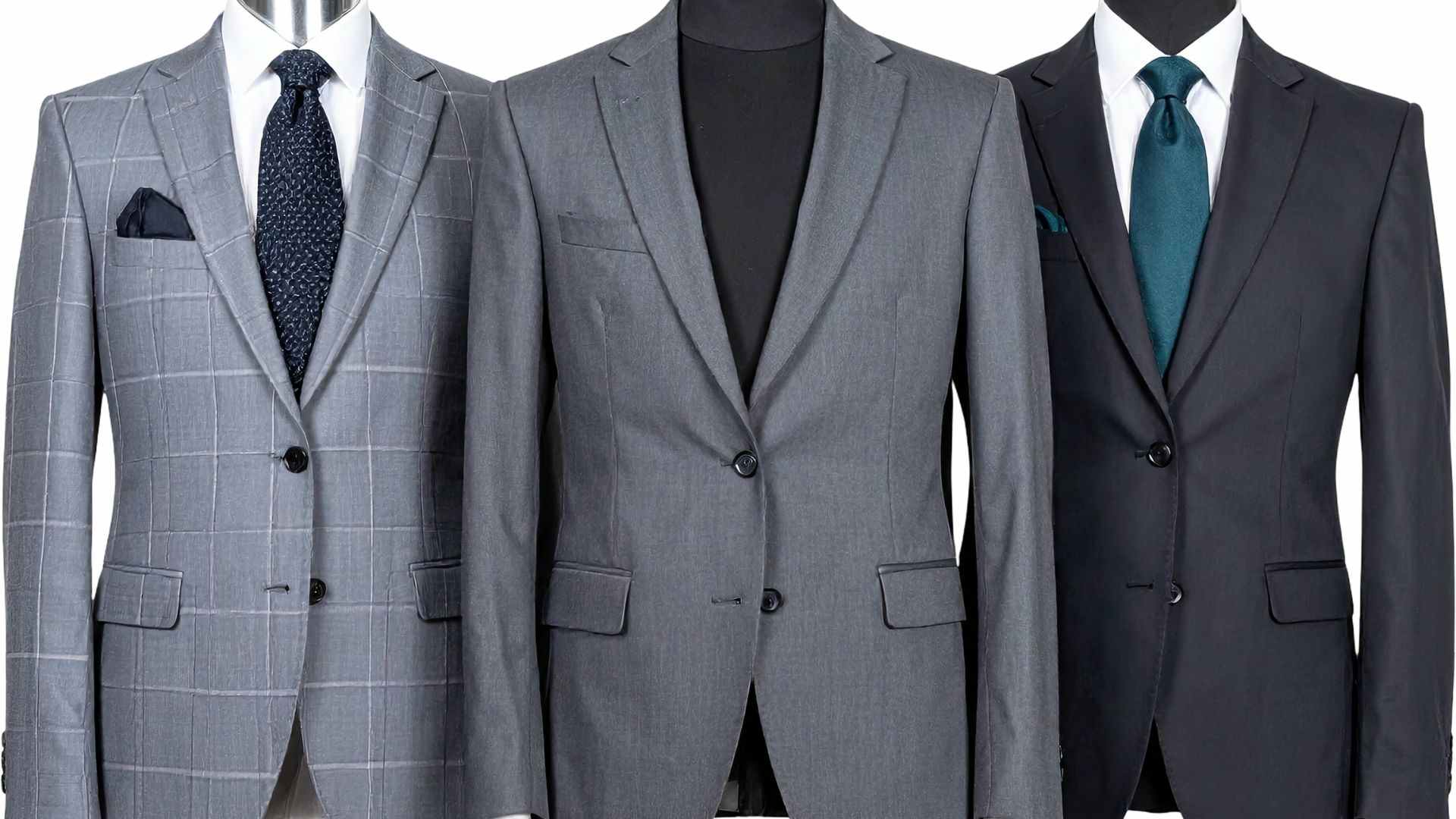
In 2026, uniforms are no longer just operational clothing, they are a visual expression of a brand’s identity and philosophy. Resorts and villas increasingly design uniforms that reflect their core values, whether that means luxury, sustainability, cultural authenticity, or modern minimalism. The process begins with translating the brand’s personality into visual elements such as silhouettes, fabrics, and color schemes. For example, a resort that emphasizes eco-conscious luxury may favor natural fabrics and earthy tones, while a contemporary lifestyle resort might opt for sleek tailoring and minimalist neutrals. When uniforms reflect the same design language as the property’s architecture and interiors, they strengthen the brand narrative and create a cohesive experience for guests.
Using Signature Colors Strategically
One of the most effective ways to incorporate brand identity into uniforms is through signature color palettes. Resorts often integrate their brand colors subtly into garments through trims, piping, collars, or accessories. Neutral base tones such as beige, white, navy, or olive are typically used to maintain sophistication, while accent colors provide recognizable branding. These colors may appear in scarves, belts, buttons, embroidery, or small details that differentiate departments while maintaining a unified visual identity across the property.
Integrating Logos and Embroidery with Subtlety
Branding elements like logos should be incorporated elegantly and discreetly to maintain a refined appearance. In 2026 uniform trends, tonal embroidery or minimal logo placement such as on the sleeve, chest, or collar is favored over large, bold branding. This subtle approach aligns with modern luxury aesthetics while ensuring the brand remains recognizable. High-quality embroidery or woven labels also communicate craftsmanship and attention to detail, reinforcing the resort’s professional image.
Reflecting Local Culture and Destination
Another way to strengthen brand identity is by incorporating elements inspired by the destination. Resorts often draw from local culture, textiles, or natural surroundings to inform uniform design. Subtle patterns inspired by traditional motifs, artisanal stitching techniques, or fabrics sourced locally can give uniforms a distinctive sense of place. These elements create authenticity and storytelling, allowing guests to feel connected to the location through even the smallest design details.
Department-Specific Styling Within a Cohesive System
Uniforms can also reflect brand identity through department-specific variations that remain visually consistent. Front-office teams may wear more structured silhouettes to convey professionalism, while spa staff might have softer, more relaxed designs to reflect tranquility and wellness. Housekeeping and service teams often prioritize functional fabrics and practical details while maintaining the same color palette and design language. This system ensures every team member contributes to a unified brand presentation while supporting the practical needs of their role.
Prioritizing Quality and Fabric Selection
The materials used in uniforms are another powerful reflection of brand identity. Premium resorts often choose high-quality fabrics that feel refined yet comfortable, such as linen blends, bamboo textiles, or organic cotton. These materials communicate luxury through their texture and durability while supporting staff comfort in demanding environments. Increasingly, sustainable fabrics are also chosen to reflect a brand’s commitment to responsible hospitality practices.
Creating a Cohesive Guest Experience
Ultimately, incorporating brand identity into uniforms enhances the overall guest journey. When staff attire aligns with the resort’s architecture, interior design, and service philosophy, guests experience a seamless visual narrative from arrival to departure. Consistency in design reinforces professionalism and attention to detail, strengthening trust and brand recognition. Every staff interaction becomes part of the storytelling that defines the resort’s character and values.
In 2026, successful uniform design integrates brand identity through color palettes, subtle logos, cultural influences, department-specific styling, and high-quality fabrics. These elements work together to create attire that reflects the resort’s personality while supporting comfort and functionality for staff. By thoughtfully aligning uniforms with brand values and aesthetics, resorts transform everyday workwear into a powerful branding tool that enhances both employee confidence and guest perception.