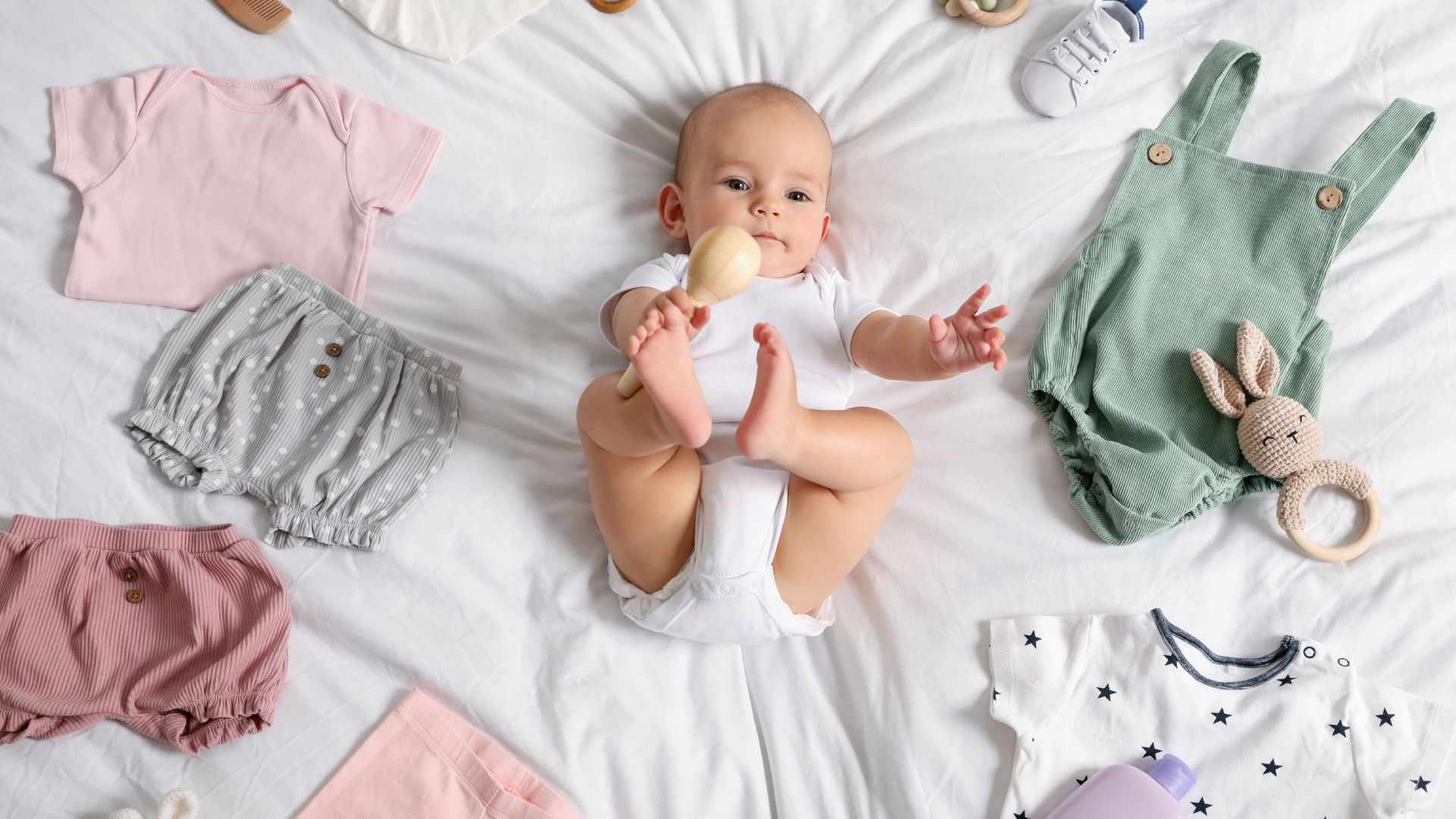
For ethical baby brands, small-batch manufacturing is more than a production method; it is a commitment to quality, responsibility, and intentional growth. Unlike mass production, small-batch systems prioritize careful planning, limited quantities, and close attention to every garment. This approach is particularly important in babywear, where comfort, safety, and durability must meet the highest standards. Producing in smaller runs allows brands to test collections, refine designs, and respond to customer feedback without creating excessive waste or surplus inventory. It also ensures that every piece receives the attention necessary to maintain softness, secure stitching, and safe finishing qualities that are essential for clothing worn by newborns and infants.
Fabric Selection and Ethical Sourcing
Small-batch babywear production often begins with premium natural fibers such as organic cotton, bamboo, linen, and responsibly sourced rayon. These fabrics are chosen for their breathability, hypoallergenic properties, and gentle texture against delicate skin. Ethical brands prioritize materials that are biodegradable and free from harmful chemical treatments, reinforcing their commitment to both baby safety and environmental responsibility. Manufacturers such as Bali Garment Manufacture work closely with trusted fabric suppliers to ensure consistent quality and traceability. Careful inspection of materials before cutting and sewing helps maintain high standards while reducing waste during the production process.
Precision Cutting and Careful Construction
In small-batch babywear manufacturing, craftsmanship plays a central role. Skilled artisans carefully cut fabrics to maximize efficiency and minimize offcuts. Each piece is assembled with attention to seam placement, smooth finishes, and reinforced stitching to ensure durability without compromising softness. Design elements such as snap closures, envelope necklines, and flexible waistbands are thoughtfully integrated for practicality and ease of dressing. Because production quantities are limited, manufacturers can monitor every stage closely, making adjustments when necessary to maintain consistent quality across the entire batch.
Ethical Labor and Responsible Work Environments
Ethical baby brands rely on transparent production systems that respect the people behind the garments. Small-scale manufacturing in Bali often supports fair wages, safe working conditions, and the empowerment of local artisans. By maintaining manageable production volumes, factories can provide more stable workflows and better quality control without the pressure associated with large-scale mass production. This human-centered approach ensures that sustainability extends beyond materials; it becomes embedded in the way garments are made. Ethical labor practices strengthen brand integrity and resonate with conscious parents seeking responsibly produced baby essentials.
Reduced Waste and Sustainable Growth
Small-batch production naturally supports waste reduction. By manufacturing limited quantities based on demand forecasts or pre-orders, brands avoid overproduction and excess inventory. This minimizes unsold stock and lowers the environmental footprint associated with storage, disposal, or markdown cycles. Additionally, smaller runs allow brands to introduce seasonal capsule collections or limited-edition designs, encouraging mindful consumption rather than fast fashion cycles. This sustainable growth model aligns with the long-term values of ethical babywear brands focused on quality over quantity.
Quality Control and Final Inspection
Before reaching customers, each garment in a small-batch production undergoes thorough inspection. Seams are checked for strength, closures are tested for security, and fabrics are evaluated for softness and finish consistency. Babywear requires extra vigilance, as safety and comfort cannot be compromised. Careful folding and eco-conscious packaging complete the process, reinforcing the brand’s commitment to sustainability from production to delivery. Every step reflects deliberate attention and respect for the product’s purpose protecting and comforting delicate skin.
Small-batch babywear manufacturing offers ethical brands a pathway to produce high-quality, responsibly made garments with precision and care. By focusing on natural fabrics, skilled craftsmanship, fair labor practices, and waste reduction, manufacturers like Bali Garment Manufacture help bring sustainable baby collections to life. Through limited production runs and mindful processes, ethical baby brands can deliver clothing that embodies safety, softness, transparency, and long-term sustainability ensuring that every piece is thoughtfully crafted for both babies and the world they will grow up in.