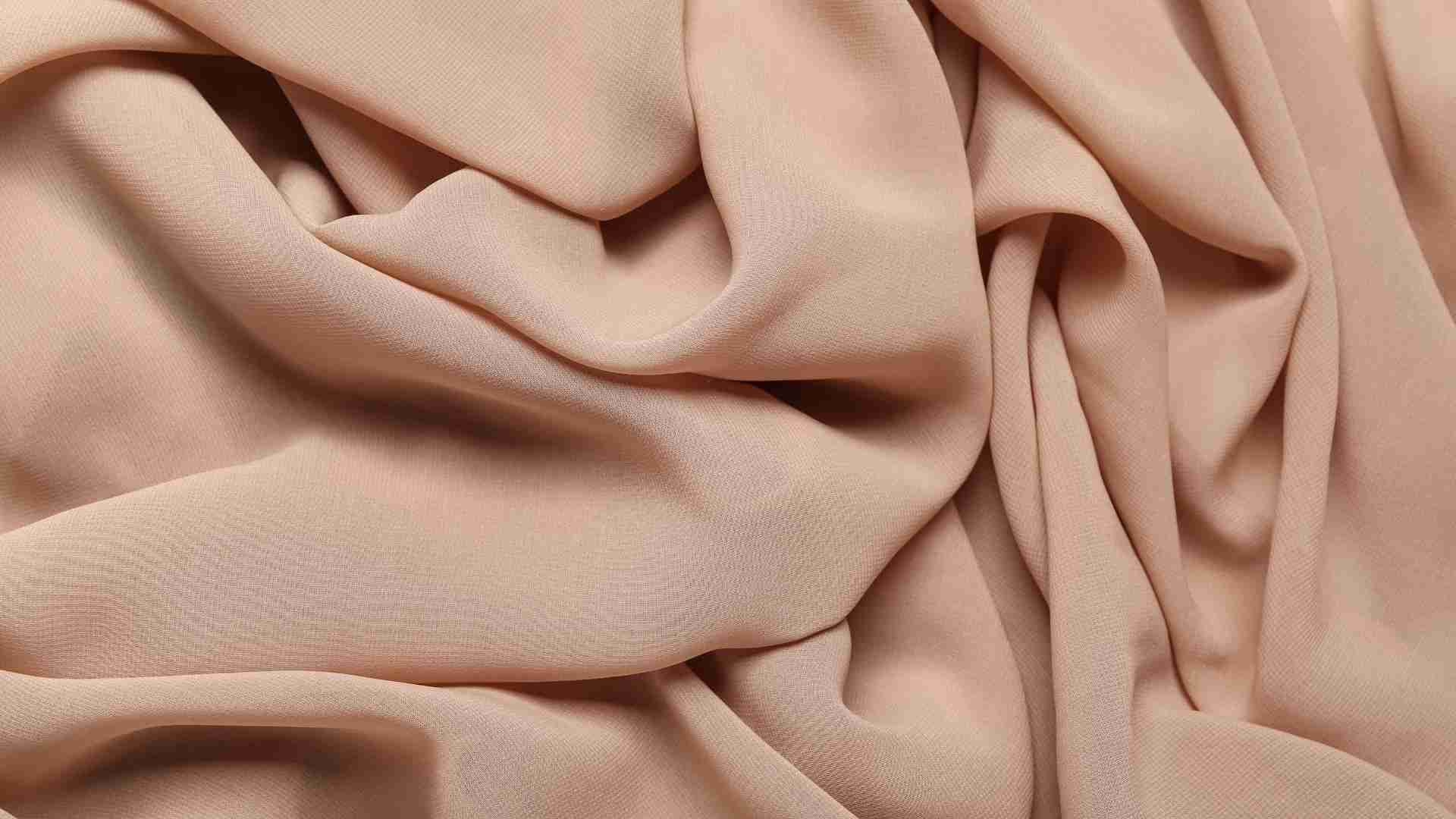
In natural clothing, texture speaks before color or silhouette. It communicates quality, authenticity, and intention without needing excess detail. The subtle irregularity of woven fibers, the softness of washed fabrics, and the movement of breathable materials all create a sensory experience that feels grounded and human. In environments such as Bali, where nature shapes daily life, texture becomes a natural extension of the surroundings rather than a decorative choice.
Enhancing Simplicity Through Material
Natural clothing often relies on clean silhouettes and restrained design. Texture plays a crucial role in preventing simplicity from feeling flat. Linen’s visible weave, cotton’s gentle matte finish, and rayon’s fluid surface add depth without overwhelming the eye. This layered visual interest allows garments to remain minimal while still feeling complete and thoughtfully designed.
Texture and Comfort Are Deeply Connected
Texture is not only visual but physical. The way a fabric feels against the skin influences how often it is worn and how the wearer experiences the garment. Natural materials tend to soften with time, developing character rather than wearing out. This evolving comfort creates a sense of familiarity and emotional attachment, turning clothing into something personal rather than disposable.
Creating Movement and Flow
Texture affects how fabric moves. Natural fibers respond differently to motion, light, and air. A textured surface catches light unevenly, creating subtle shifts as the body moves. This gives natural clothing a quiet dynamism that smooth, synthetic fabrics often lack. Movement becomes part of the design, enhancing elegance without requiring structure or embellishment.
Supporting Timeless Design
Texture allows garments to feel rich without relying on trends. While colors and cuts may change seasonally, the tactile quality of natural fabrics remains relevant. This makes textured clothing inherently timeless. In modern wardrobes that prioritize longevity, texture becomes a key design element that supports repeated wear and long-term relevance.
Craftsmanship Behind the Surface
The power of texture is closely tied to craftsmanship. Weaving methods, fabric finishing, and garment construction all influence how texture appears and feels. Working with skilled producers ensures that texture enhances quality rather than becoming a flaw. Manufacturers such as Bali Garment Manufacture understand how to balance natural texture with durability and comfort, especially for garments designed for daily or professional use.
Texture in Neutral Color Palettes
Neutral tones allow texture to take center stage. Without strong color contrast, the surface of the fabric becomes the focal point. This highlights weave, drape, and finish, creating depth through material rather than decoration. This approach aligns with contemporary fashion that values restraint and subtle sophistication.
The power of texture in natural clothing lies in its ability to elevate simplicity. Through tactile richness, movement, and craftsmanship, texture adds meaning and depth without excess. In a fashion landscape increasingly focused on authenticity and longevity, texture becomes a defining element of quiet luxury, one that feels natural, intentional, and deeply connected to how clothing is worn and experienced.