

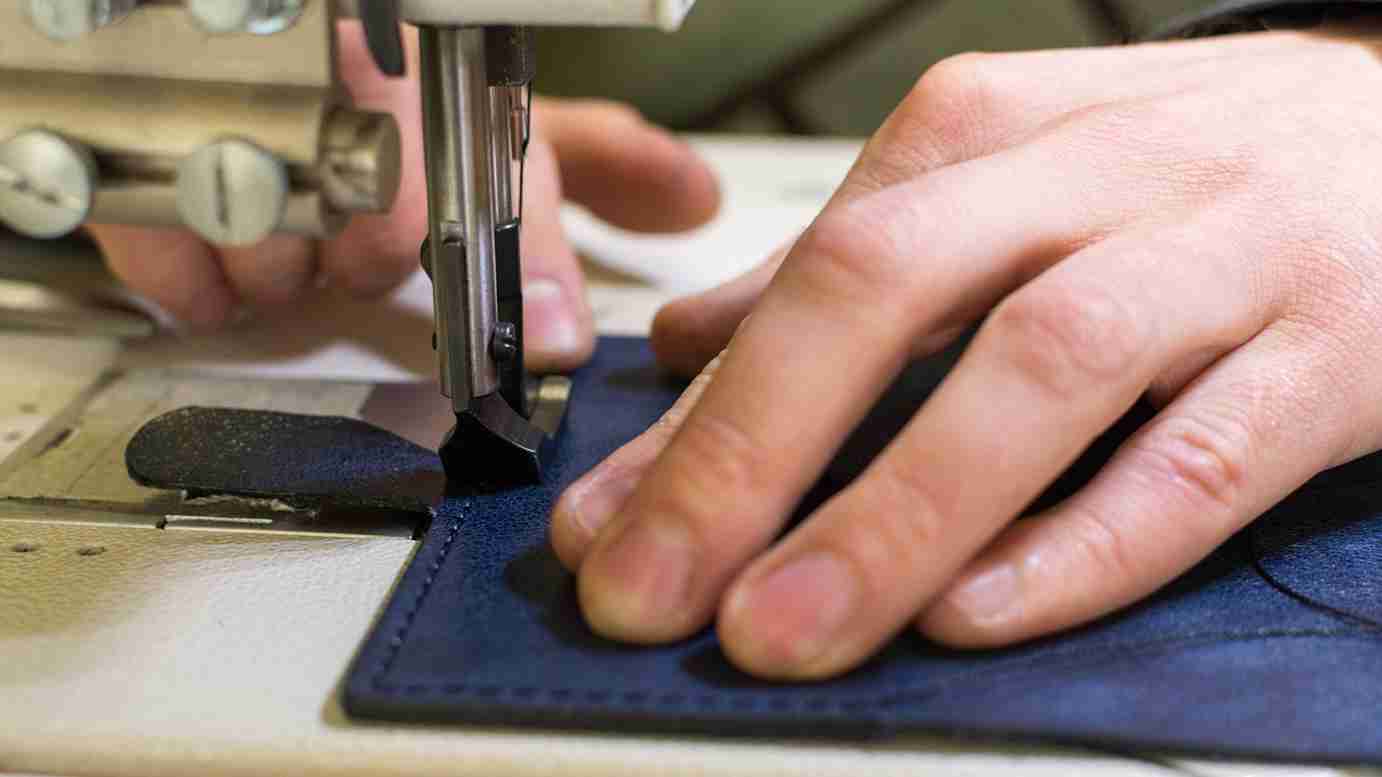
Choosing local production in Bali goes beyond convenience; it is a deliberate step toward supporting ethical fashion practices. When garments are manufactured locally, designers and brands have greater oversight of the production process, allowing them to ensure fair wages, safe working conditions, and respectful treatment of artisans. By working directly with manufacturers like Bali Garment Manufacture, brands can verify that every stage from fabric sourcing to final stitching adheres to ethical and sustainable principles. Local production fosters accountability and transparency, reducing reliance on distant supply chains where exploitative labor practices are more difficult to monitor. This proximity allows for stronger relationships with workers, encourages skill development, and creates an environment where artisans are valued contributors rather than replaceable parts of a mass-production system.
Supporting Skilled Artisans and Preserving Craft
Bali has a rich tradition of textile craftsmanship, from handwoven fabrics to natural dye techniques. Choosing local production ensures that these artisanal skills are not only preserved but also elevated in modern fashion contexts. Artisans have the opportunity to pass down knowledge, refine their craft, and gain recognition for their expertise. When brands invest in local production, they provide artisans with stable employment and access to training, allowing traditional skills to evolve alongside contemporary design needs. This creates a unique synergy where ethical production meets high-quality, culturally resonant fashion. Each garment becomes a tangible expression of human care, craftsmanship, and creativity.
Minimizing Environmental Impact
Local production also reduces the environmental footprint of fashion. Shorter supply chains mean less transportation, lower carbon emissions, and reduced risk of overproduction. Manufacturers like Bali Garment Manufacture implement sustainable practices such as efficient fabric usage, small-batch production, and eco-friendly dyes. By choosing to produce locally, brands can prioritize responsible sourcing and environmentally conscious processes, ensuring that sustainability is embedded not only in the product but throughout the manufacturing journey.
Building Community and Economic Resilience
Ethical fashion thrives when communities thrive. Local production provides meaningful employment, particularly for women and marginalized groups, contributing to economic stability and social empowerment. Financially secure artisans can invest in education, health, and community initiatives, creating a positive ripple effect beyond the fashion industry. This community-focused approach ensures that fashion is not just a commercial endeavor but also a driver of social good, preserving Bali’s cultural heritage while promoting equitable growth.
Enhancing Quality and Design Integrity
Producing locally allows designers to maintain quality control and iterate on designs quickly, ensuring that garments meet both aesthetic and ethical standards. Close collaboration between designers and manufacturers ensures that fabrics, finishes, and construction are of the highest caliber while upholding sustainable practices. This combination of meticulous design, human expertise, and ethical oversight results in clothing that is durable, visually appealing, and aligned with contemporary values of conscious consumption.
Choosing local production in Bali is a powerful way to support ethical fashion. It strengthens labor standards, preserves traditional craftsmanship, reduces environmental impact, and empowers communities. By partnering with local manufacturers like Bali Garment Manufacture, brands can create garments that are not only beautiful and high-quality but also socially responsible and sustainably produced. In this way, every locally made piece becomes a statement: that fashion can be both ethically grounded and stylistically inspiring, proving that conscious choices in production truly make a difference.