Choosing uniforms for your employees involves more than selecting a design or color. Your choice can affect your budget, delivery schedule, brand identity, and how well the garments support daily work.
Businesses generally have two options: custom uniforms made to their specifications or ready-made uniforms available in standard designs and sizes. Both options have advantages, but the right choice depends on your team’s requirements, how quickly you need the garments, and how much control you want over the final design.
In this guide, we compare custom uniforms and ready-made uniforms across several important factors to help you decide which option suits your business.
What Are Custom Uniforms?
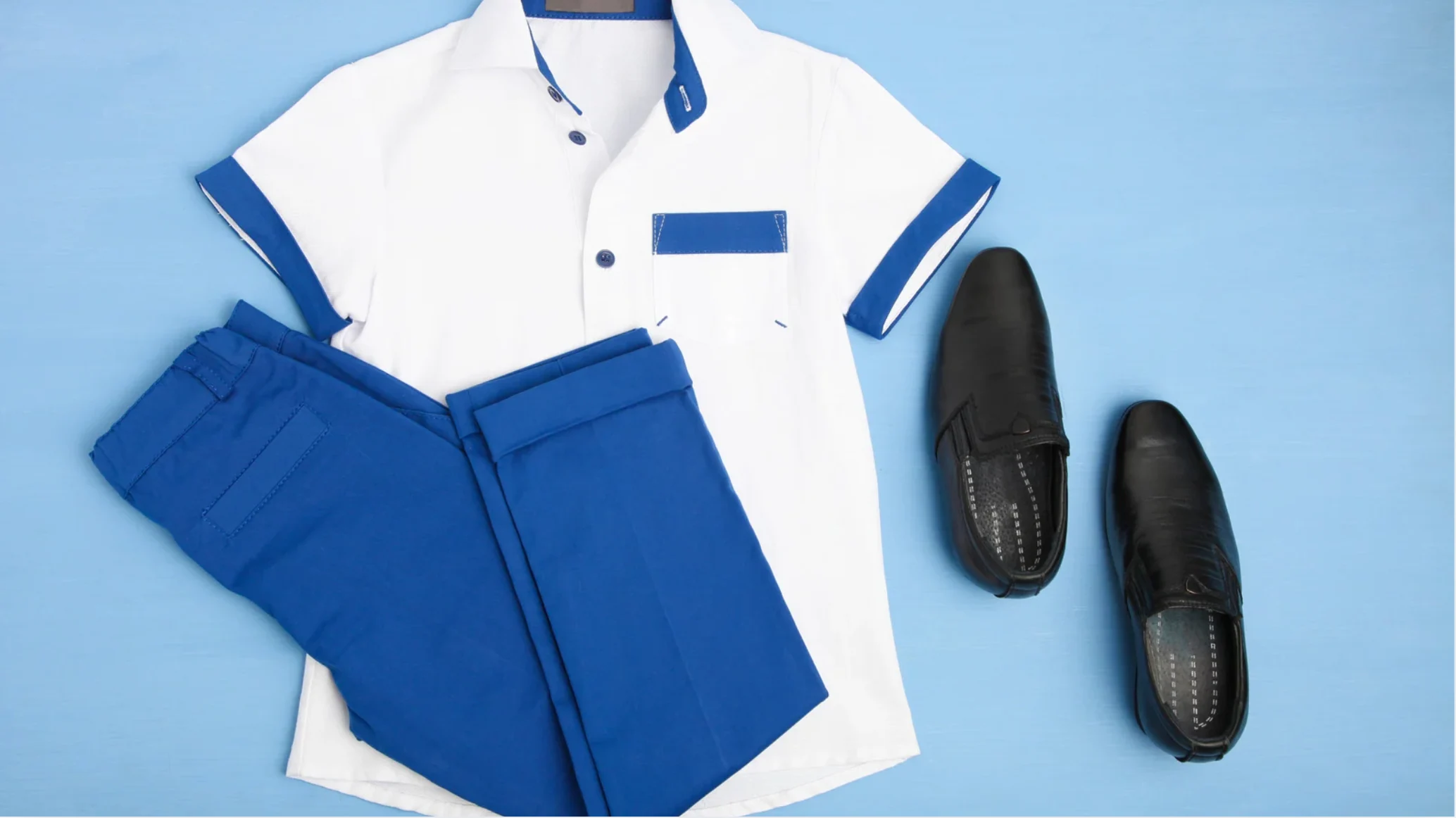
Custom uniforms are garments developed according to a business’s specific design and functional requirements. Instead of choosing from an existing range of products, you can work with a manufacturer to determine the details of your uniform.
These details may include the garment’s silhouette, fabric, color, measurements, pocket placement, closures, logo, and labels. You can also adjust the design to suit different job roles while maintaining a consistent appearance across your team.
For example, a hotel might need uniforms that reflect its brand identity while allowing housekeeping staff, receptionists, and restaurant employees to perform their daily tasks comfortably. A customized approach gives the business more control over the design and features of each garment.
Businesses looking for design inspiration can explore our uniform wear portfolio to see examples of uniform designs and garment styles.
Custom production may also involve sample development before bulk manufacturing. Through the sampling process, businesses can review garment details and request adjustments before approving production.
However, developing custom uniforms usually requires more planning than purchasing existing garments. Sampling, material sourcing, design adjustments, and production can affect both the budget and lead time.
To learn more about local manufacturing approaches, you can read our guide to uniform production in Bali.
What Are Ready-Made Uniforms?
Ready-made uniforms are garments produced in advance using existing designs, standard sizing, and established specifications. Businesses can purchase them from suppliers or retailers, depending on available stock and product selection.
This option works well when a company needs straightforward uniforms without developing a new design. Standard shirts, polo shirts, trousers, and other basic workwear can often meet everyday requirements.
Some suppliers also offer logo embroidery, printing, or minor alterations. However, the available customization depends on the supplier and the garment itself.
Ready-made uniforms can simplify purchasing because businesses do not need to develop a pattern or approve a new sample. However, they must work within the available options for color, fabric, sizing, and construction.
If the supplier discontinues a particular style or runs out of stock, replacing existing uniforms with identical garments may also become difficult.
Custom Uniforms vs. Ready-Made Uniforms: Key Differences
Both options can help businesses create a consistent appearance for their employees. The main differences lie in how much control you have over the product and the resources required to obtain it.
1. Cost and Budget Considerations
Cost is often one of the first factors businesses consider when choosing uniforms.
Ready-made uniforms may have a lower initial cost because the supplier has already developed the design and produced the garments. Businesses can also avoid separate sample development when the available products meet their requirements.
Custom uniforms may involve additional expenses for sampling, pattern development, specialized fabrics, printing, embroidery, or other design features. These costs depend on the complexity of the project and the manufacturer’s pricing structure.
However, the price per garment does not tell the whole story. You should also consider how long the uniforms need to last, whether they require alterations, and how easily you can replace them in the future.
Compare the total estimated cost of each option against your budget and operational needs before making a decision.
2. Production Lead Time and Availability
If your business needs uniforms immediately, ready-made garments can be a practical option, provided the supplier has sufficient stock in the required sizes and colors.
Custom uniforms require more preparation. You may need to finalize the design, select the material, review samples, approve adjustments, and schedule bulk production. These steps can extend the overall lead time.
To avoid delays, establish your delivery deadline early and discuss the production schedule with your supplier. You can review the manufacturer’s garment production service to learn more about its production offering.
Allow time for design revisions and sample approval if you choose custom manufacturing.
For businesses planning a new hotel opening, restaurant launch, or staff expansion, this decision should form part of the wider operational schedule.
3. Design, Fit, and Branding
Your uniform should support both your brand identity and your employees’ daily activities.
Ready-made uniforms offer a convenient starting point, but you may have limited control over the garment’s cut, color, fabric, and functional details. Adding a logo can help establish brand recognition, although it may not give you complete control over the finished design.
Custom uniforms offer more flexibility. You can choose design elements that align with your brand guidelines and adjust garment features to suit different roles.
For instance, a business may require specific pocket placements, a particular collar style, or different garment designs for customer-facing and operational teams. Custom production makes it easier to develop these features around the intended use.
Material selection also plays an important role. Businesses developing custom uniforms can explore a suitable fabric sourcing service to find materials that match their design, comfort, and functional requirements.
Greater design control can be valuable when uniforms play an important part in the customer experience or overall brand presentation.
4. Consistency To Repeat Orders
Uniform requirements can change as a business hires new employees, opens additional locations, or expands its operations.
With custom uniforms, keeping records of approved designs, measurements, fabric specifications, and branding details can help guide future orders. However, you should still confirm material availability and production specifications before placing a repeat order.
Ready-made uniforms can also support consistent appearances when the same products remain available. The challenge arises when suppliers change their product range, materials, or sizing.
If you expect to reorder uniforms regularly, ask your supplier how they manage repeat orders and maintain consistency across production batches.
When Should You Choose Custom Uniforms?
Custom uniforms are worth considering when existing garments cannot fully meet your business requirements.
Here are several situations where custom production may be the better choice.
Your Uniforms Need to Reflect Your Brand
Businesses that prioritize visual identity may need more control over garment colors, silhouettes, logo placement, and finishing details.
Custom uniforms allow you to develop a consistent design that aligns with your brand guidelines rather than relying entirely on existing products.
This can be particularly relevant for hotels, resorts, restaurants, wellness businesses, and retail brands where employees interact directly with customers.
Your Employees Have Specific Functional Requirements
Different job roles often require different garment features.
For example, operational staff may need practical pockets and durable construction, while front desk employees may require a more structured appearance. Custom uniforms allow you to account for these requirements when developing each design.
You can also consider fabric properties, fit, and garment construction based on the working environment and expected use.
You Need Greater Control Over Fit and Sizing
Standard sizing may not provide the fit or proportions your business expects. Custom development gives you more control over measurements, patterns, and garment shapes.
This can be useful when you need consistent proportions across multiple sizes or when a particular uniform design does not fit standard garment specifications.
You Plan to Reorder Uniforms as Your Business Grows
Custom uniforms can support a longer-term uniform program when you document and maintain approved specifications.
If you regularly hire employees or operate across multiple locations, discuss how your manufacturer can handle future orders and maintain consistency.
Remember to account for production lead times, material availability, and any minimum order requirements before committing to a custom uniform program.
When Are Ready-Made Uniforms the Better Choice?
Custom production is not necessary for every business. Ready-made uniforms may be more practical when your needs are straightforward and existing garments already meet your requirements.
You Need Uniforms Quickly
Ready-made uniforms can help you equip your team on a short schedule when the supplier has the necessary stock available.
Before ordering, confirm the quantity, size range, color options, and delivery date. Do not assume every listed product is immediately available in every size.
Your Design Requirements Are Simple
If your business only needs standard shirts, polo shirts, or trousers, an existing garment may provide everything you need.
You may also be able to add a company logo without developing a completely new design. This can be a practical solution when brand differentiation is not a major concern.
You Need Only a Small Quantity
Ready-made uniforms can work well for a small team, temporary staff, or occasional replacements, particularly when suppliers sell individual garments.
For custom orders, ask about minimum quantities and sampling costs before proceeding. You can also check the manufacturer’s FAQ page for information about order requirements and confirm the applicable minimum order quantity directly with the team.
Some manufacturers accommodate smaller orders, while others have minimum production requirements. The right choice depends on the actual pricing and conditions offered by each supplier.
You Want to Avoid Design and Sample Development
Ready-made uniforms allow you to choose from existing designs rather than starting from a new specification.
This reduces the amount of development work required, although you should still check fabric quality, sizing, construction, and overall suitability before purchasing.
How to Choose the Right Uniform Option for Your Business
Before deciding between custom and ready-made uniforms, evaluate your requirements beyond the initial purchase price.
Ask yourself these five questions:
- When do we need the uniforms? If you have a short deadline, check whether suitable ready-made garments are in stock. If you choose custom production, allow sufficient time for development, sampling, and manufacturing.
- What features do our employees need? Consider the garment’s intended use, working conditions, required functions, and expected frequency of wear.
- How important is brand consistency? Determine whether existing designs meet your brand guidelines or whether you need more control over colors, logos, fit, and construction.
- How much can we spend? Compare the total estimated cost, including customization, sampling, alterations, shipping, and potential repeat orders.
- Will we need more uniforms later? Consider future hiring, additional locations, replacement garments, and the availability of the same specifications or products.
Your answers should help you identify which option offers the right balance of cost, convenience, functionality, and design control.
What to Prepare Before Ordering Custom Uniforms
If custom uniforms appear to be the right option, preparing your requirements early can help you communicate clearly with your manufacturer.
Start with a design reference, sketch, or technical pack if you already have one. Include the garment type, measurements, preferred fabric, color, branding details, and any functional requirements.
You should also prepare an estimated order quantity, size breakdown, and target delivery date. These details help the manufacturer assess your project and discuss suitable production options.
If you need help defining your design or product specifications, consider a product consultation to discuss your requirements before production.
Before bulk production begins, consider reviewing a sample to check the fit, material, logo placement, and construction. Confirm any necessary adjustments before approving the final specifications.
Frequently Asked Questions
Not necessarily. Custom uniforms may involve sampling and development expenses, but the final cost depends on factors such as order quantity, fabric, design complexity, and production requirements. Compare quotations based on the same specifications before deciding.
Yes, some suppliers offer logo embroidery, printing, or other personalization services for ready-made garments. The available methods depend on the supplier, garment material, and design requirements.
Yes, custom uniforms can suit small businesses that need specific designs, brand colors, or functional features. However, you should check minimum order quantities, sampling expenses, and production timelines to determine whether custom production fits your budget and schedule.
The timeline depends on design complexity, sample revisions, fabric availability, order quantity, and the manufacturer’s production schedule. Discuss your deadline with the manufacturer before confirming an order, and allow time for sample approval and any necessary adjustments.
Final Thoughts
The choice between custom uniforms and ready-made uniforms depends on what your business values most. Ready-made garments can be a practical option when you need standard designs quickly, while custom uniforms offer greater control over branding, fit, and functional details.
Before making a decision, evaluate your budget, timeline, team requirements, and plans for future orders. A clear understanding of these factors will help you select uniforms that suit your business and support your employees’ daily work.
Looking to develop custom uniforms for your team?
Contact Bali Garment Manufacture to discuss your design ideas, fabric requirements, and production needs. Share your initial concept and requirements to explore a suitable approach for your uniform project.
So, what are waiting for? Let’s Contact Bali Garment Manufacture to discuss your design, tech pack, or production project.